


From Aardwolves to Servals: A Year of Panthera Tanzania, Our Newest Country Program

By Panthera

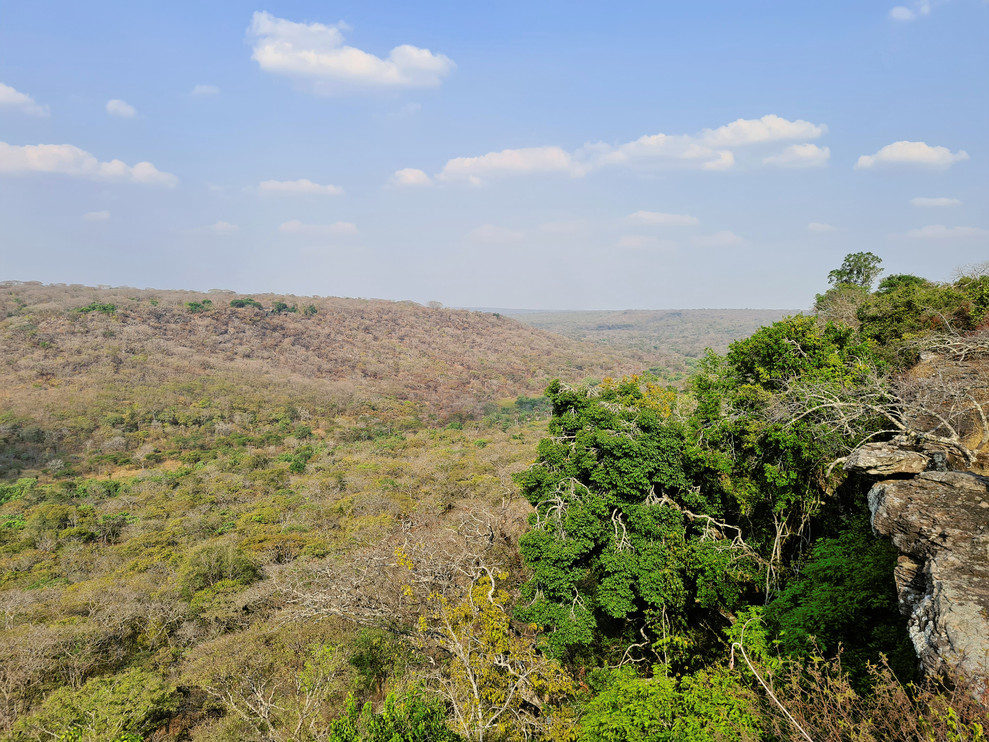
Luganzo Valley
© Paolo Strampelli / Panthera

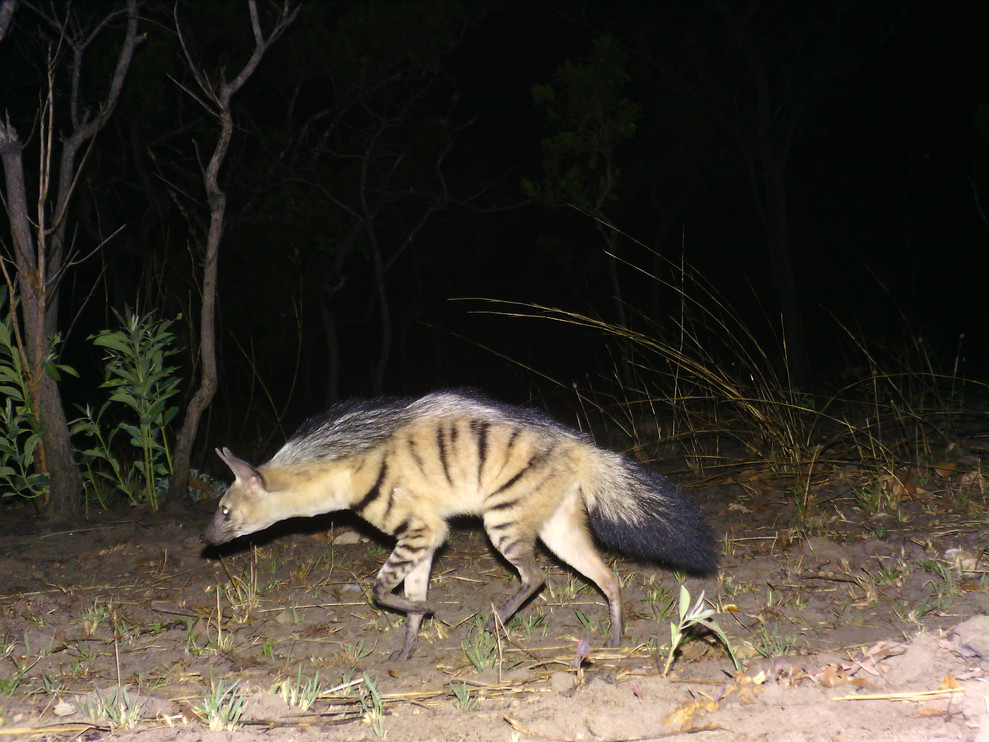
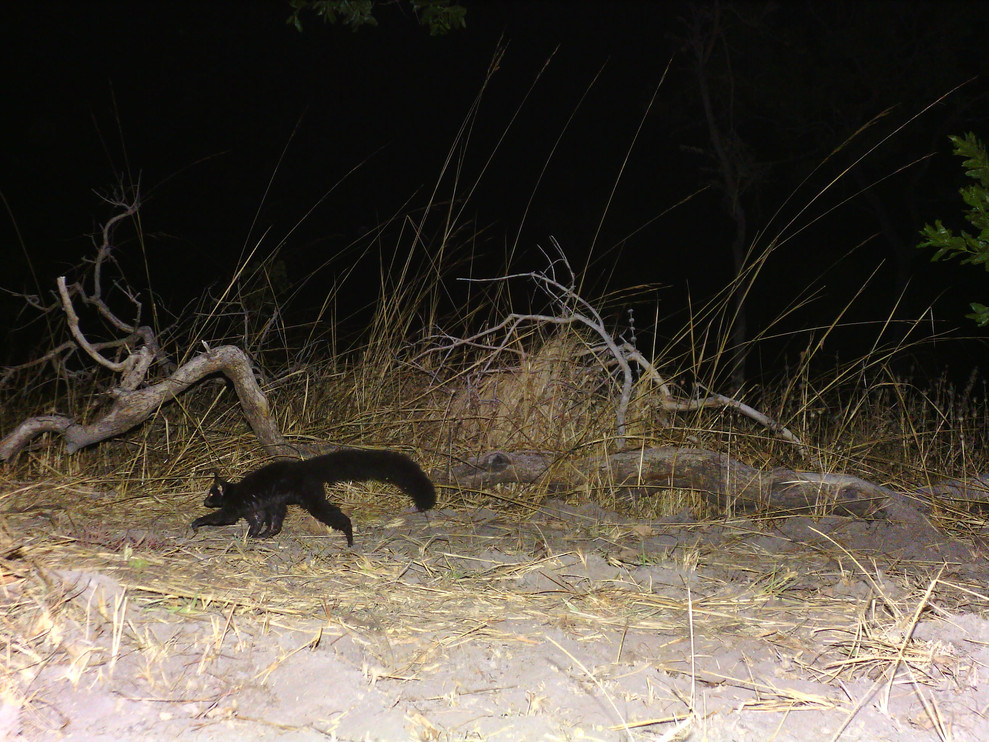
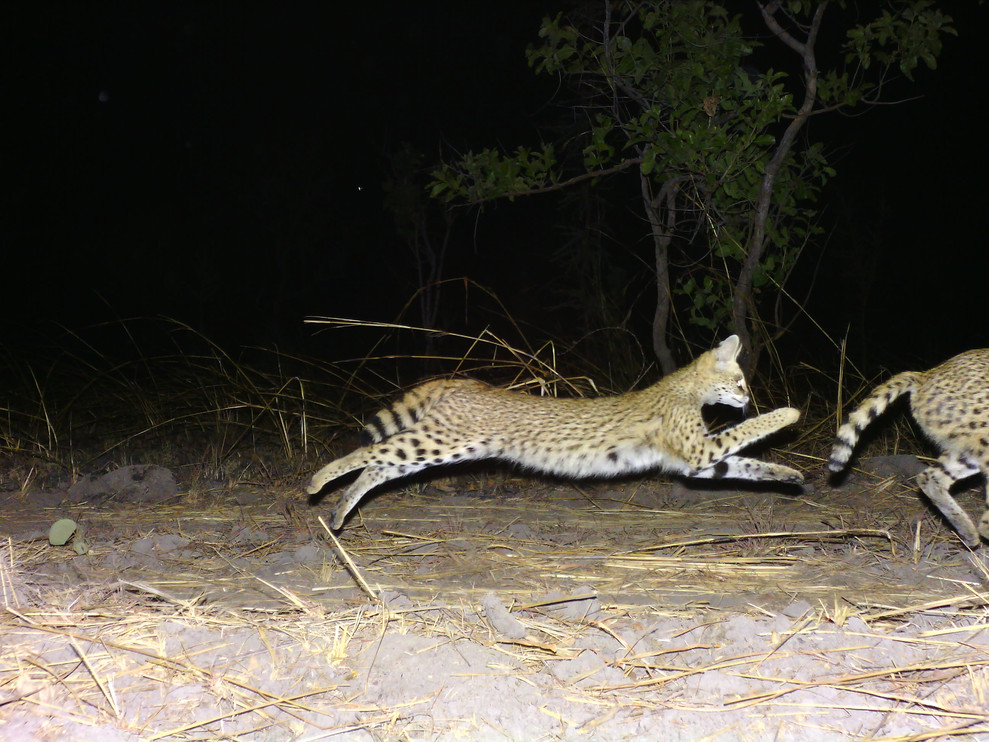
A melanistic bushbaby. Aardwolves. A serval with a rare, densely-spotted coat known as a servaline morph.

Some of our favorite research moments involve scrolling through brand-new images from a remote camera for the first time. We never know what we’ll find. Western Tanzania is no exception.  

In 2025, Panthera established an official country entity and office in Tanzania, expanding our conservation work into East Africa to protect wild cats and their habitats across western Tanzania's vast wilderness. Through partnerships with TAWA and local communities, we're leading research, protection and community-based conservation initiatives to secure these critical ecosystems for both wildlife and people.  
 
Our first year here revealed plenty of surprises, including new species records. But each revelation reaffirms our goal: to protect this wild place and the wild cats it supports for generations to come.

Aardwolf
Aardwolf ©Panthera  

How We Got Here  

Western Tanzania is one of Africa's largest remaining wilderness areas, comprising over 100,000 square kilometers of interconnected protected areas. These areas harbor globally important populations of lions, leopards, small cats, African wild dogs and spotted hyenas, as well as elephants, a range of antelope species, and rare and cryptic species such as the sitatunga and the shoebill stork. The landscape faces increasing threats from habitat conversion and degradation and lags behind other protected area complexes in Africa when it comes to conservation investment.  
 
While northernTanzania is well-known among safari seekers and wildlife conservation organizations alike, western Tanzania is remote, and very little information exists about its wildlife and threats.  
 
We're working with TAWA to change that.  
 
In 2024, we partnered with TAWA and the Tanzania Wildlife Research Institute (TAWIRI) to carry out the first-ever survey of large carnivores, their prey and human impacts across the landscape, covering over 25,000 square kilometers of remote terrain. We found wild cat populations, including lions, that were suppressed but recoverable — and threats that were accelerating fast.  

"Western Tanzania is now seeing the level of rising pressures that other parts of Africa saw last century," said Paolo Strampelli, Ph.D., Panthera's Western Tanzania Conservation Programme Manager.  
 
That initial work led to a formal management support agreement with TAWA, signed in July 2025, for management support (including law enforcement and monitoring) in Ugalla and Luganzo-Tongwe Game Reserves, and the establishment of Panthera Tanzania in May 2025.  
 
With offices based in Tabora, Panthera Tanzania now has a staff of eight, including scientists, protection specialists, and administrative staff. The team has spent the last year providing wildlife monitoring and protection support to learn more about the wildlife that calls this area home — and to make sure it endures.

Melanistic bush baby
Melanistic greater galago, also called a bush baby. ©Panthera 

New Species, Urgent Stakes  

In 2025, the team completed a survey using remote cameras. More than 300 cameras captured over 150,000 images across the landscape.  
 
Alongside lions and leopards, the cameras caught other surprises: the first servaline morph serval recorded in the area, a melanistic bushbaby, and some of the first records of aardwolves, bat-eared foxes and springhares in western Tanzania. These images provided some of the first official records also of several smaller mammal species in the sampled areas.  
 
The survey results provide a baseline of wildlife populations and threats in Panthera-supported areas. These numbers allow us to track population recovery and measure how well different conservation interventions are working.  

Both lion and leopard populations were suppressed, but recoverable. Both species can bounce back— but we must act now. 

A servaline serval kitten running

 A servaline serval kitten. The servaline morph, which is a variation in the small spotted coat pattern of the serval, may provide better camouflage for the wild cat. ©Panthera  

Conservation With Community at Its Heart  

Luganzo-Tongwe and Ugalla both include formal provisions allowing local communities to fish and gather honey under a permit system. Protecting this landscape therefore protects livelihoods, not just wildlife.  
 
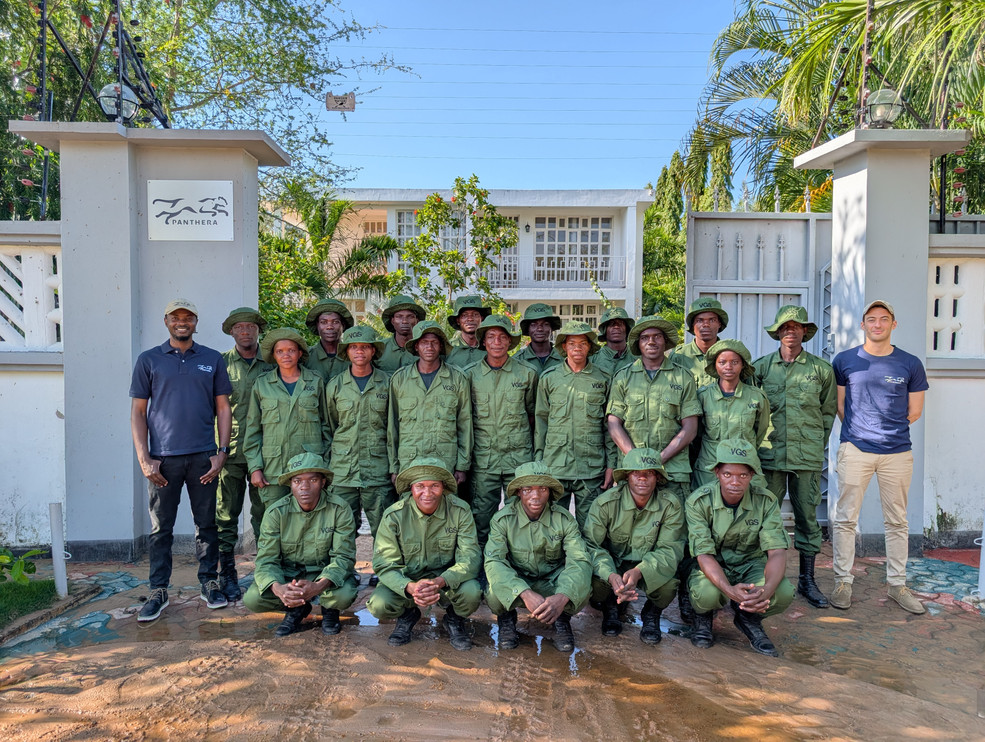
To reflect that, Panthera supported the recruitment of 20 Village Game Scouts (VGSs) from four villages surrounding Luganzo-Tongwe to help ensure that all Panthera-supported anti-poaching patrols are joint TAWA-community patrols. After open advertisement, fitness testing and three months of rigorous training at a national center more than two days’ travel from home, these community members returned as qualified scouts, and are now supported by Panthera to patrol the land they grew up on alongside TAWA staff.  

Village Game Scouts group photo
Village Game Scouts, trained and supported by Panthera ©Panthera  

Tech on the Frontline of Wild Cat Conservation 

A small but mighty team of TAWA rangers and VGSs patrols this vast terrain on foot and by car, motorcycle and boat, helping keep wildlife safe. Panthera Tanzania is providing many of the tools to do so.  
 
We support several anti-poaching patrols a month by providing diesel, rations, ranger performance bonuses, vehicle maintenance and Panthera-trained VGS stipends. 
 
Panthera also provides technical law enforcement support to TAWA, including through the novel use of technology in anti-poaching patrols.  
 
We've pioneered the use of SMART (Spatial Monitoring and Reporting Tool) in western Tanzania to coordinate patrol coverage, track effort and flag emerging threats. Developed by a consortium of NGOs, SMART is an accessible, computer-based platform used to measure, evaluate and improve the effectiveness of wildlife law enforcement patrols.  
 
We've also implemented live patrol tracking. Garmin inReach satellite devices keep rangers connected in areas where cell coverage doesn't reach, with increased communication capabilities increasing patrol team safety and allowing an adaptive approach to patrolling. 
 
We also established Operations Control Room (OCRs) in each reserve, and a Zonal Control Room (ZCR) at TAWA Western Zone Headquarters in Tabora. The OCRs are used for live patrol tracking and for joint TAWA-Panthera SMART patrol briefings and debriefings, while the ZCR serves as a backup site for data and a capacity development center on the use of technology for conservation.  
 
Together, these technologies are transforming patrol efforts into a coordinated, data-driven protection system.

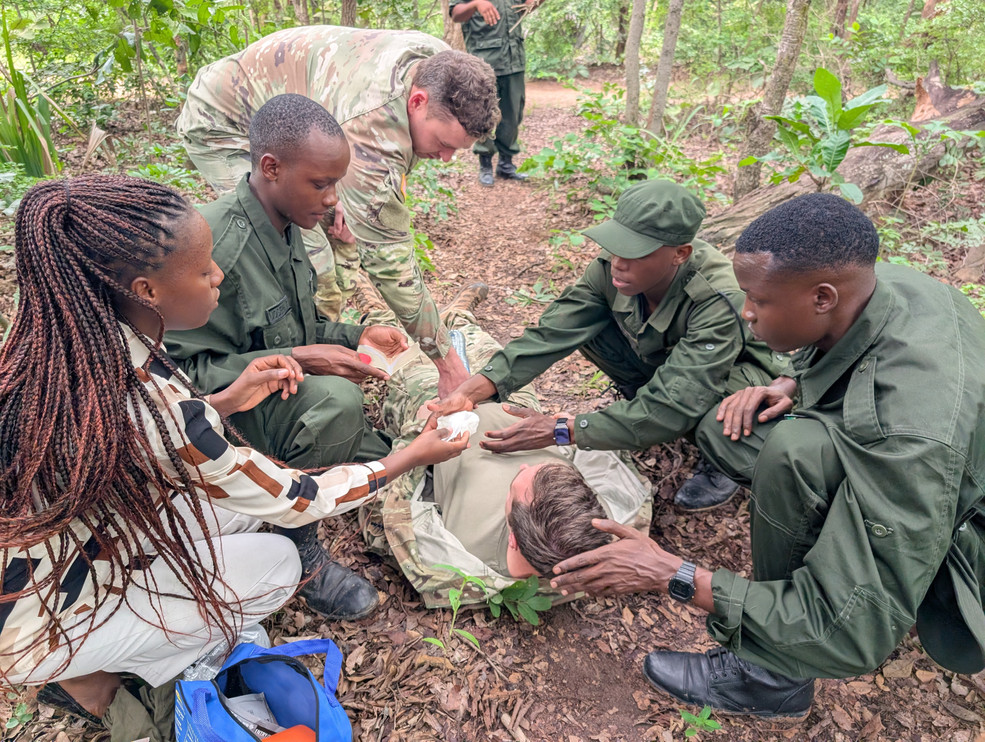
Rangers learning first aid
Rangers in Tanzania practice first aid skills. ©Charlotte Searle/Panthera  

The Future of Panthera Tanzania 

A year in, our work is off and running — but it's also only just beginning.  
 
"Western Tanzania is one of Africa’s largest and wildest remaining interconnected conservation landscapes. The Tanzania Wildlife Management Authority (TAWA) and other Tanzanian wildlife agencies are doing an exceptional job protecting these areas, but resources are limited and threats are rising," said Strampelli. "Panthera’s entrance into the landscape and its support for TAWA are helping secure local wildlife populations while bringing direct benefits to the communities that depend on these habitats." 
 
Follow Tanzania-related content on Facebook and Instagram at @PantheraTanzania.  

Tags