


Building a Future for Thailand's Wild Cats

By Panthera

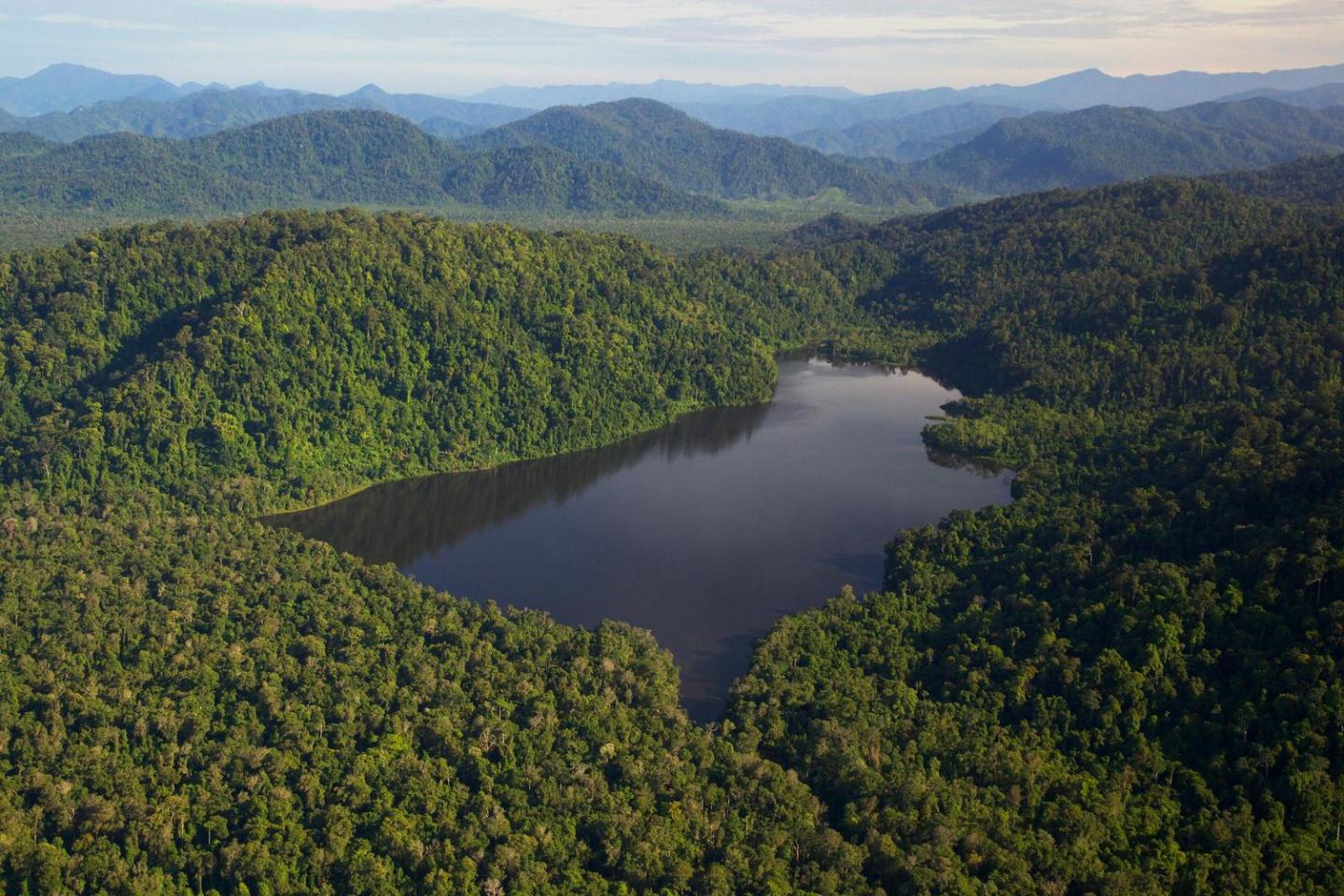
Thailand landscape of mountains and a lake
© Steve Winter

Thailand is one of Southeast Asia's last strongholds for wild cats — and one of the most important fronts in global wildlife protection and conservation.  

Panthera Thailand works at that front every day, combining rigorous endangered species research with on-the-ground community partnerships to protect five wild cat species from disappearing entirely: the Indochinese tiger (Panthera tigris corbetti), Indochinese leopard (Panthera pardus delacouri), mainland clouded leopard (Neofelis nebulosa), fishing cat (Prionailurus viverrinus), and flat-headed cat (Prionailurus planiceps). Three of these five cats are listed as Endangered or Critically Endangered on the IUCN Red List. Their survival is deeply tied to the health of Thailand's forests and to the communities who call those forests home. 

As one of the conservation organizations leading this effort across Asia, Panthera Thailand has spent a decade proving that science-driven action works. 

How Panthera Thailand Protects Wild Cats

Panthera has supported partners in Thailand since 2016, and Panthera Thailand was officially established in 2021, with a current team of 29 conservation staff. The program works hand-in-hand with the Thailand Department of National Parks, Wildlife and Plant Conservation (DNP) and alongside international NGOs including WWF, WCS, and ZSL, local organizations like the Freeland Foundation and Sueb Nakasathien Foundation, and the communities who live within and around protected forest areas. 

On the ground, that means continuously monitoring wild cat populations using an extensive remote camera network — 390 camera stations covering 3,500 square kilometers for tigers alone, with over 120,000 trap-nights recorded. It means strengthening ranger capacity, supporting protection operations, and working with local communities to prevent human-wildlife conflict before it starts. It also means thinking creatively: launching boat patrol training for rangers operating in aquatic environments, facilitating wildlife corridor designation, and developing intelligence-led anti-poaching approaches that have achieved an arrest success rate of approximately 60% per operation, significantly higher than conventional patrols. 

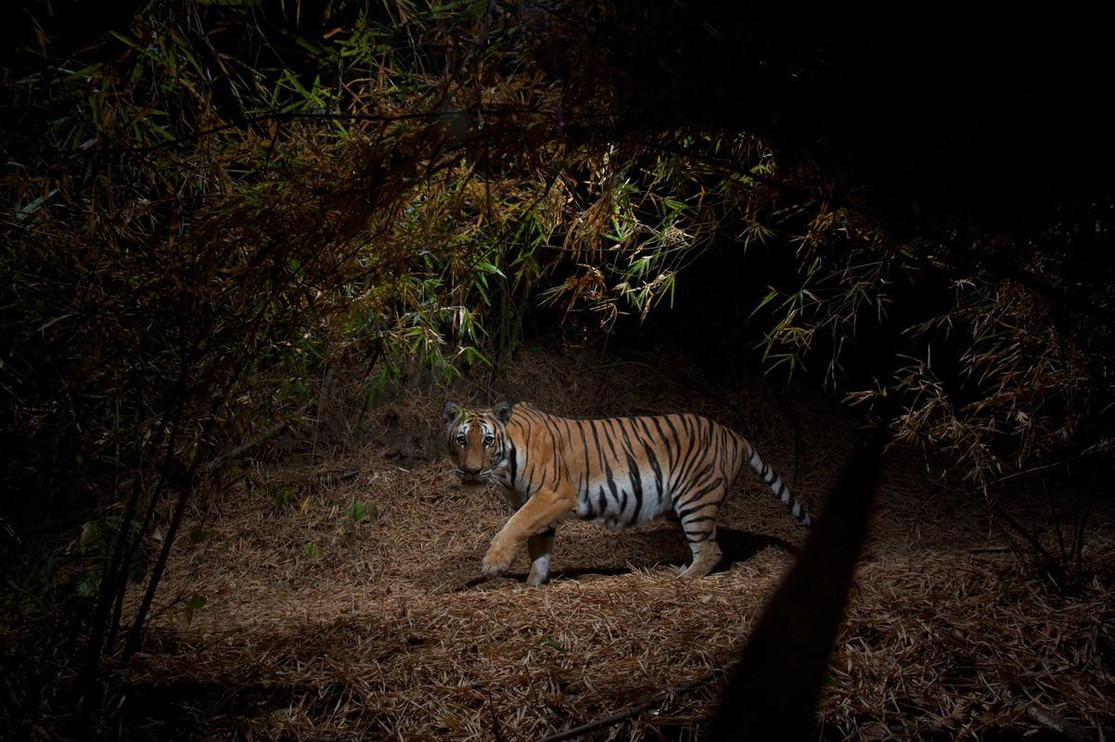
Tiger ©Steve Winter
Tiger ©Steve Winter

Wild Cat Conservation Wins in Thailand 

Progress in conservation can be slow and hard-won. That makes these breakthroughs all the more meaningful. 

Tiger recovery in Thailand's Western Forest Complex: 

Remote camera records climbed from 19 individual Indochinese tigers over the first eight years to 56 individuals by year eleven — a nearly threefold increase driven by sustained, targeted protection. Active breeding has been documented, and efforts are now focused on improving cub survival and establishing the area as a future tiger source site for the region. 

Additionally, one of the most important issues for the team here is human–tiger coexistence. As we work to recover tiger populations in areas with high levels of human activity, careful planning is essential to prevent human–wildlife conflict. We have been working extensively with local communities to develop and implement proactive conflict prevention measures, making this one of the first landscapes to design and apply such a comprehensive approach to human–tiger coexistence. 

First comprehensive fishing cat study in Thailand: 

Panthera Thailand completed a landmark study covering fishing cat population density, diet and habitat selection. The research also uncovered microplastic contamination in fishing cat fecal samples — present in up to 20% of samples analyzed. Because fishing cats and humans occupy similar positions in the food chain, this finding carries direct implications for human health, reinforcing the importance of a One Health approach to wildlife conservation. 

Flat-headed cat confirmed after 29 years: 

After nearly three decades without a confirmed record, Panthera Thailand's team verified the presence of the flat-headed cat in Princess Sirindhorn Wildlife Sanctuary. Accessing remote peat swamp habitat was no small feat, but the discovery has opened new doors for the conservation of one of the world's least-known wild cat species. 


A post shared by Panthera (@pantheracats)

Why Wild Cat Conservation in Thailand Matters 

Thailand is one of Southeast Asia's last strongholds for big wild cats. Without proactive conservation, increasing human presence in and around protected areas risks escalating human-tiger conflict — a pattern seen across Asia wherever tiger populations recover near communities. Panthera Thailand's prevention-first approach, which includes facilitating agreements on sustainable forest use and supporting alternative livelihoods, is designed to make coexistence not just possible but lasting. 

Thailand's wild cats have a future. This is how we're building it.