


Four Cats, One Moment in Time

By Panthera

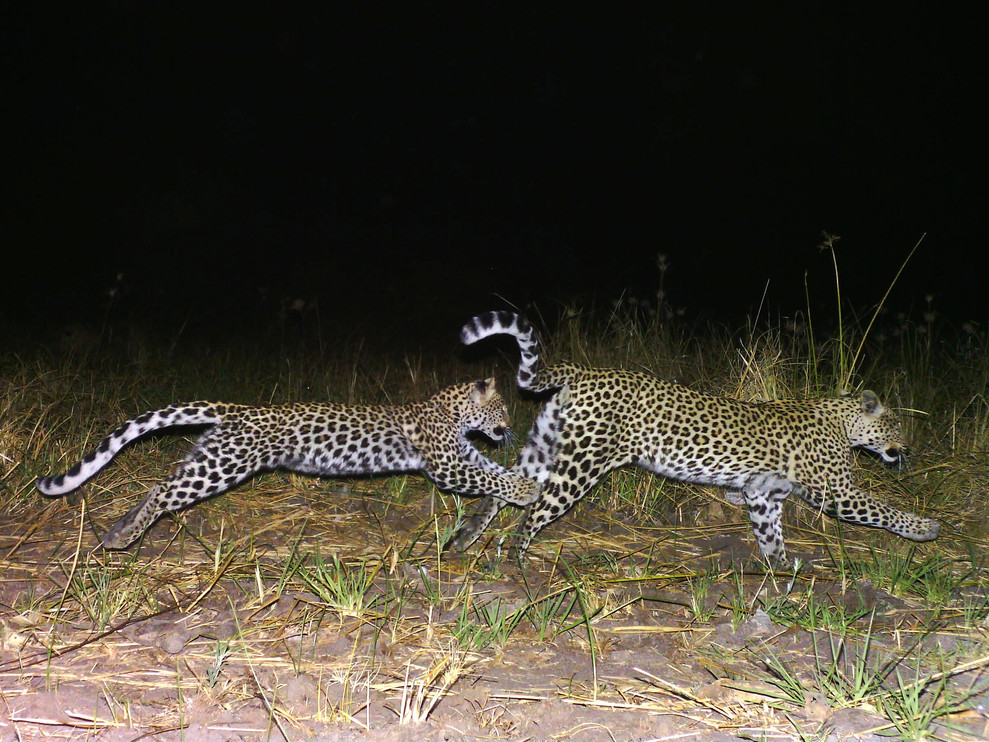
Two leopards chase each other at night
© Panthera

In September, the dry season peaks across two continents. Riverbeds narrow, grasses thin and prey concentrates — and wild cats move into some of the most productive hunting conditions of the year. From Zambia's Busanga Plains to the Brazilian Pantanal, the landscape shapes wild cat behavior. As the leading organization in global wild cat conservation, Panthera is there to document it. Here is what that looks like this season.

Leopards — Luganzo-Tongwe Game Reserve, Tanzania

September falls in the dry season across western Tanzania, one of Africa's largest wilderness areas. The region spans more than 100,000 square kilometers of connected protected areas and is home to lions, leopards and small cats. Until recently, it was also one of Africa's most under-resourced conservation landscapes.

In 2025, Panthera signed an agreement with the Tanzania Wildlife Management Authority (TAWA) to support two game reserves here, strengthening conservation by providing technical and financial support for protection and deploying more than 300 remote cameras to monitor wildlife and threats. This leopard and her cub, caught mid-stride by one of those cameras, are among early records of Panthera's presence in the area.

Leopards have the widest range of any big cat and one of the most fragile footholds. Panthera's Leopard Program works across Africa, the Middle East and Asia to monitor populations, reduce illegal killing and support coexistence between leopards and local communities.

Read more about leopards.

Lion — Greater Kafue Ecosystem (GKE), Zambia

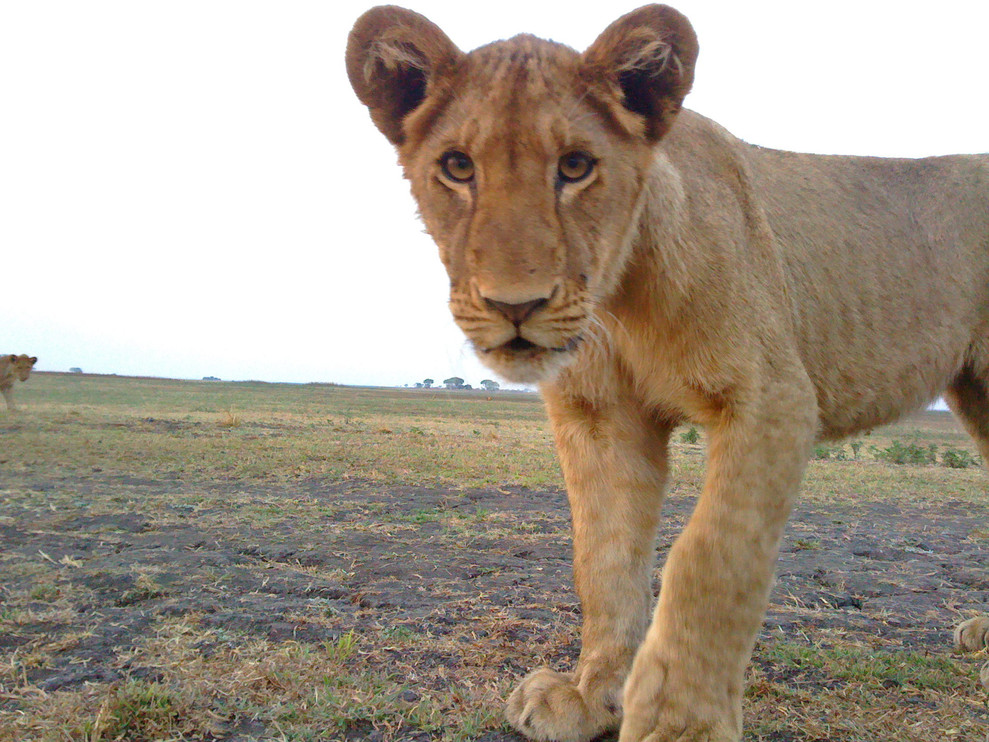
A lion cub in Kafue National Park, Zambia
A curious lion cub in the greater kafue ecosystem, Zambia. © Panthera

By September, the Greater Kafue Ecosystem (GFE) in Zambia is deep into the dry season. The Busanga Plains — vast northern floodplains known for their lion prides — have dried to open grassland. Wildlife concentrates around rivers, giving lions reliable prey and good conditions for raising young.

Panthera supports 11 anti-poaching teams and three Human-Wildlife Conflict (HWC) patrol teams — a total of 14 patrol teams — across three intensive protection zones: Mufunta, Mulobezi and Sichifulo Game Management Areas (GMAs), the western and southern GMAs of Kafue National Park.  

Anti-poaching efforts and close monitoring have helped stabilize, and in some areas, increase lion and leopard numbers in a park where both species were once severely reduced by poaching. This cub represents a population on the rise, and proof of what sustained, collaborative conservation can achieve.  

Learn more about lions.

Ocelot — Pantanal, Brazil

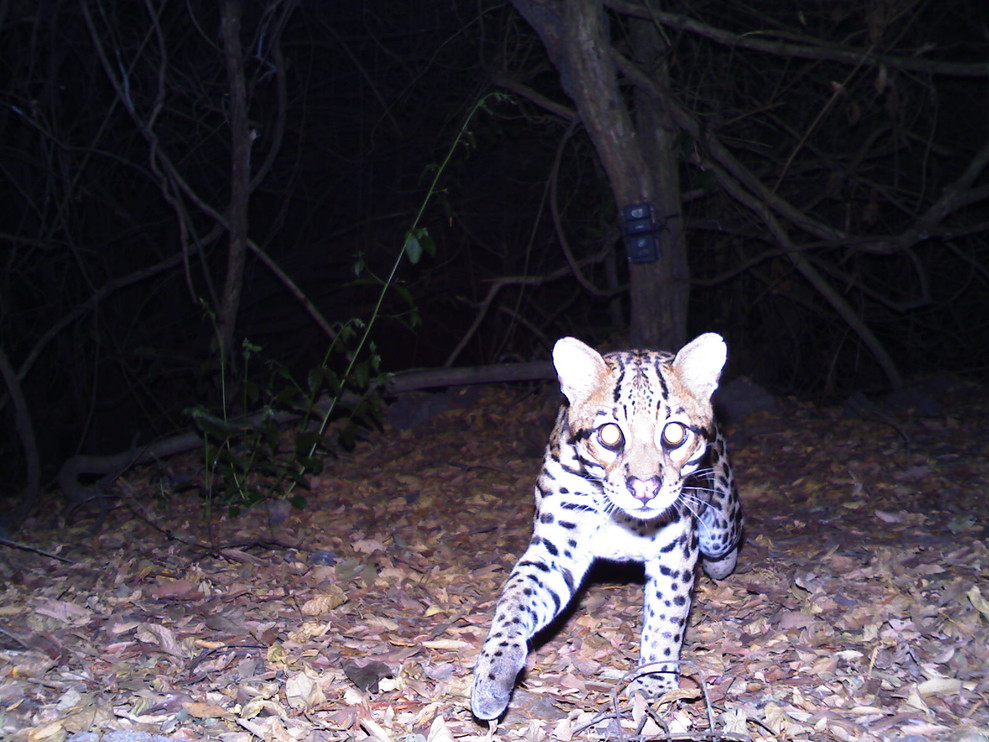
An ocelot in the Brazilian forest
An ocelot in Pantanal, Brazil. © Panthera

September is the height of the dry season in the Pantanal, the largest tropical wetland on Earth. Floodwaters have pulled back, rivers have narrowed and wildlife clusters along exposed banks and lagoons. During the dry season, ocelots are surprisingly strategic. They hunt along the riverbanks where prey is concentrated, use dirt roads like highways to move quickly across the landscape, and tread carefully near houses.

These movement behaviors are not observed when water levels rise, and they become more restricted to fewer habitats. But the dry season brings its own threat. In recent years, the Pantanal has been hit by increasingly extreme droughts and devastating wildfires, putting the very habitat ocelots depend on at risk.

The ocelot is one of the largest small wild cats in the Americas and one of the most important ecologically. As a mid-level predator, ocelots help control rodent populations, which supports healthy forest regeneration. In the Pantanal, they share the landscape with jaguars and pumas above them and smaller cats like jaguarundis and oncillas below. Panthera researchers call this layered dynamic the "ocelot effect" — ocelots actively dominate and suppress the smaller cat species around them.

Panthera's research base in the northern Pantanal is one of the few places in the world where this complex, multi-species system can be studied up close — using remote cameras, GPS collars and genetics research, with ocelots serving as sentinel felids to understand landscape changes and guide conservation actions.

Explore our Small Cat Spotlight on ocelots.

Puma — Patagonia, Chile

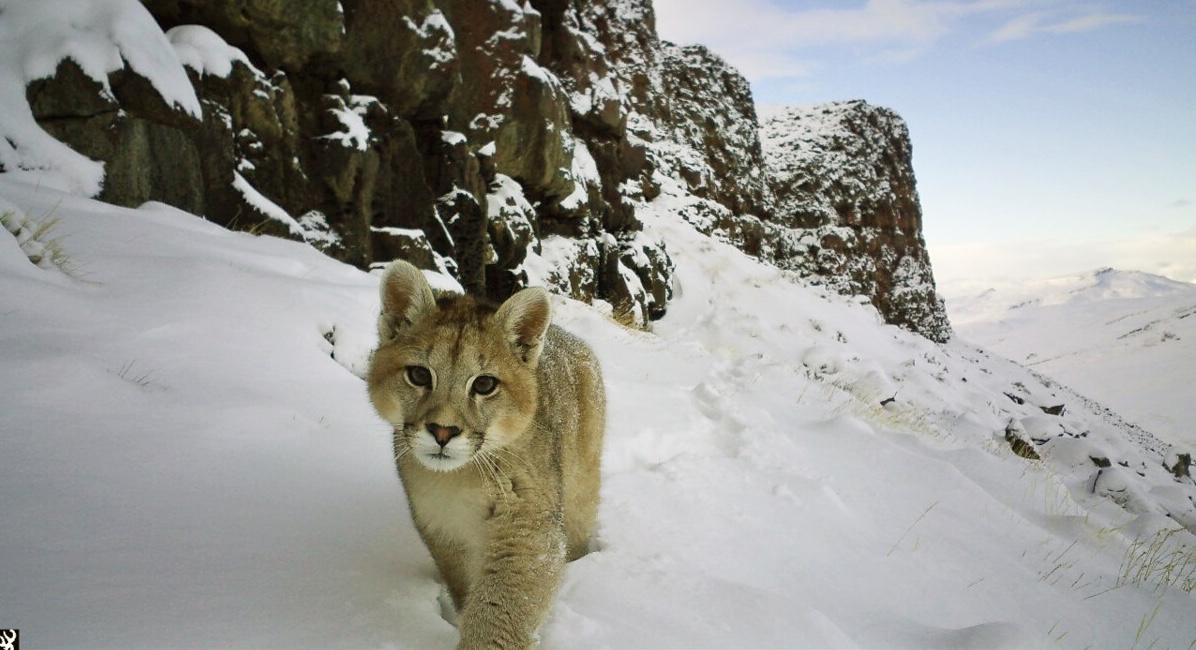
A puma cub on a snowy mountain
A puma cub in Patagonia's Torres del Paine UNESCO Biosphere Reserve. © Panthera/Estancia 3R

September marks the final weeks of winter in Patagonia. Snow still covers the high passes, but days are growing longer, and guanacos — the puma's primary prey here — are beginning to move to higher ground. For pumas, this is a turning point: the concentrated hunting of winter giving way to the more open landscape of spring.

Pumas are the most widely distributed wild cat in the Western Hemisphere, ranging across 23 countries from southern Alaska to the tip of Chile. In Patagonia, they roam across ranchlands, national parks and open wilderness — and sometimes come into conflict with ranchers over livestock. Panthera has been working in the region since 2019, pairing research with non-lethal deterrents and community outreach to build a workable model for coexistence.

In 2025, Panthera partnered with The Nature Conservancy, local government and tourism agencies to develop the first responsible puma-viewing guidelines for the region. The protocol — covering guides, tour operators and visitors — has already been adopted into a local ordinance by Torres del Paine Municipality and added to a national wildlife viewing standard. The cub in this photo represents a future Panthera and our partners are working to protect.

Explore Panthera's Puma Program.

Follow Panthera's Work Around the World

From the woodlands of western Tanzania to the floodplains of Zambia and Brazil to the mountains of Patagonia, Panthera's teams are in the field working to ensure these moments continue. Explore more of Panthera's programs and follow us on social media for more wild cat updates.