


What To Do if You Encounter a Wild Cat: Safety Tips by Species

By Panthera

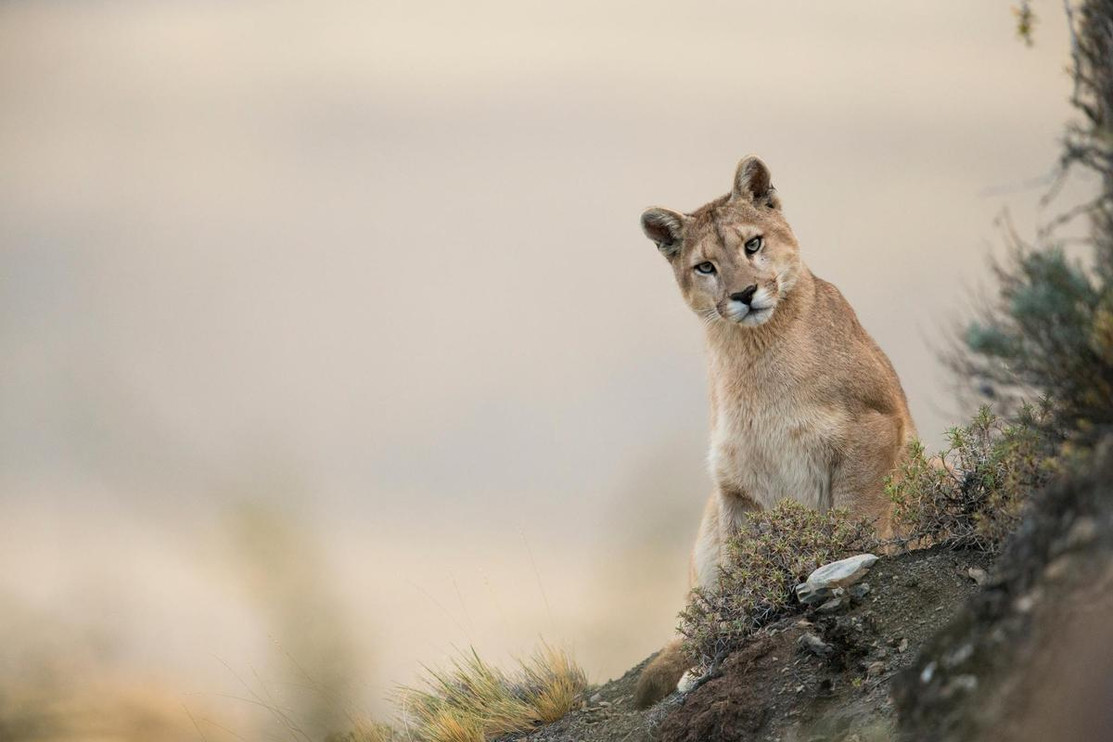
A puma in northwestern Argentina
© Sebastian Kennerknecht

If you're lucky enough to spot a wild cat in its natural habitat, that moment can stay with you forever. But how you respond matters, for your safety and theirs.

Responsible wildlife tourism requires planning ahead. Teasing or provoking wild cats to get a better photo disturbs them and can have real consequences for individual cats and broader populations. Here's Panthera's guide on what to do if you find yourself face-to-face with one.

Safety Note: The guidance below is general information developed by Panthera scientists and is not a substitute for advice from local wildlife authorities or trained guides. Wild cats are unpredictable — entering their habitat carries inherent risk that you assume voluntarily. Always follow local regulations. 

What To Do if You See a Puma

Widespread from Canada to Chile, these elusive wild cats very occasionally make headlines for peaceful encounters they have with humans, especially in the United States. While the threat of an attack is extremely low, people with small children should be prepared to act when hiking in places where pumas are prevalent. Our Puma Program Team on the Olympic Cougar Project has prepared these steps for you to follow if you run into a puma and it does not immediately flee:

  1. Stop. Make sure to stay calm, and do not approach the cat. Call your family close, especially young children, to form a single unit of people; pick up small children. Never run away, as this may trigger an instinct to chase.
  2. Keep your eyes on the animal. Make yourself as big as possible. Making yourself look big may frighten the puma by making yourself look more imposing than you actually are.
  3. If the puma continues to approach, be as loud as you can. Loud sounds like clapping or yelling may scare the animal off.
  4. As a last resort, charge or throw things. Nothing puts a big cat off like turning the tables and charging a few steps. Granted, not everyone is prepared to run towards a puma! If the puma continues to advance, throwing rocks, sticks and water bottles in the direction of the puma may cause it to retreat.
  5. Consider yourself lucky. You just saw a puma in the wild! After the puma leaves, remember that you're one of the few people who ever gets to see these amazing creatures. If the encounter took place in a national park, report it to a wildlife official to help puma conservation.
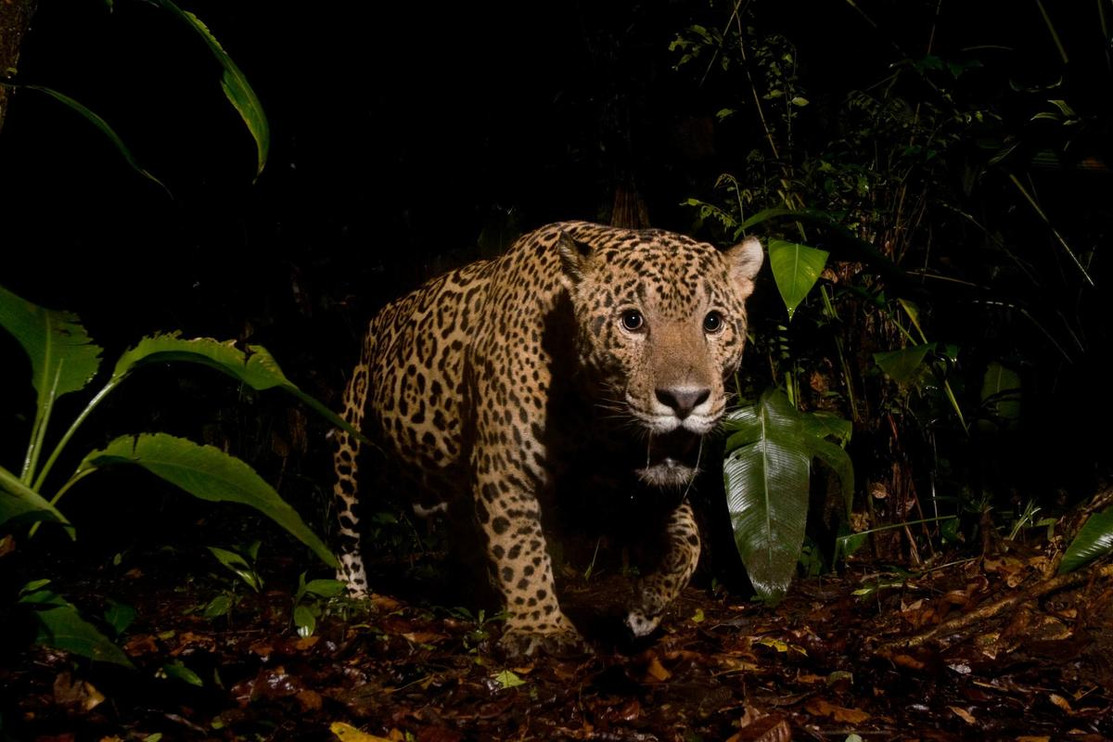
A male jaguar in Costa Rica
A male jaguar in Costa Rica. © Sebastian Kennerknecht

What To Do if You See a Jaguar

The largest big cat in the Americas rarely poses a threat to humans. In addition to being secretive creatures, jaguars notoriously avoid humans and attacks are extremely rare. Still, if you're hiking anywhere from the southwestern United States to northern Argentina, it's important to know what to do if you encounter one of these spotted cats. Our staff at the Jofre Velho Conservation Ranch in Brazil offer these important steps:

  1. Do not run! Stay calm and quiet. Move slowly away from the jaguar while keeping it in your field of vision.
  2. Protect others. If you are with a group of people and have children, put the children on your shoulders and keep the group together.
  3. Get big. If the jaguar shows aggressive behavior (e.g., showing teeth), try to appear bigger (e.g., use branches), and as a final option, shout.
  4. Don't approach. Never provoke or approach a jaguar, especially in risky situations, including when the animal is feeding, mating or with its cubs.
  5. You're one of the few people who gets to view a jaguar in the wild. From a safe distance, enjoy the moment. As with pumas, make sure to report the jaguar to relevant wildlife officials in order to better protect the species.
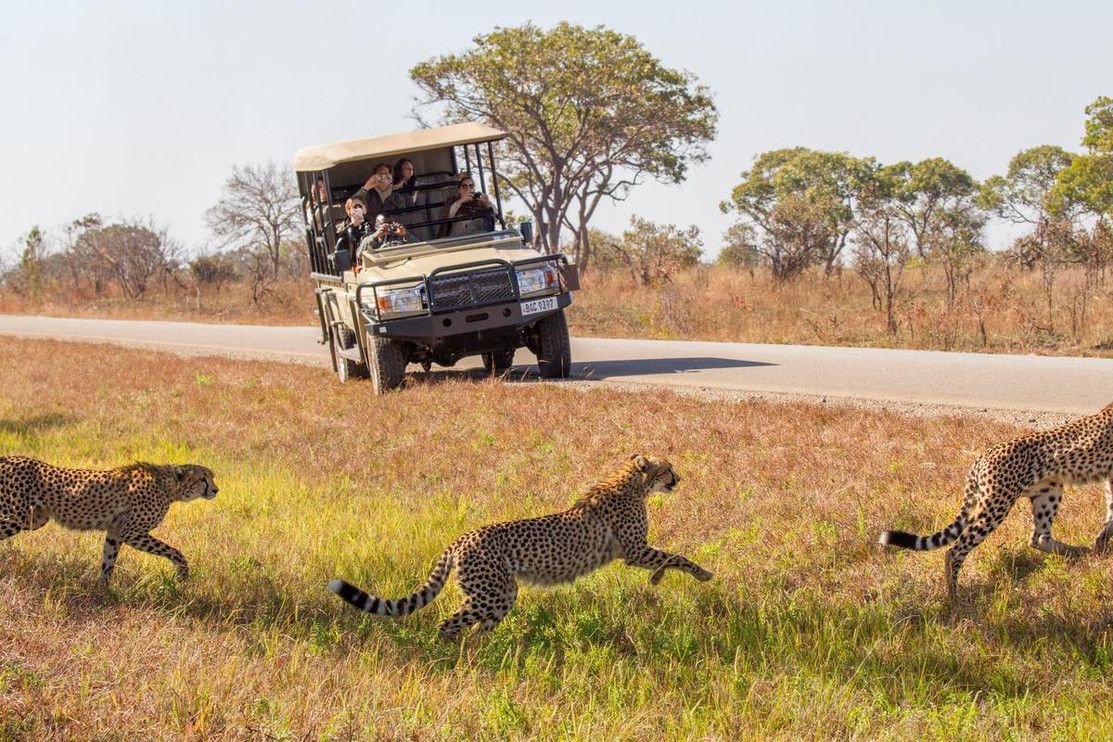
Three cheetahs run in front of a tour vehicle.
Cheetah siblings cross a road in Kafue National Park, Zambia. © Sebastian Kennerknecht

What To Do if You See a Cheetah

Even though they're the smallest of the big cat species, a single swipe from a cheetah's paw can still cause a serious wound. While cheetah attacks on humans are extremely rare, their occasional proximity to tourist vehicles makes it important to know what to do if faced with a potentially dangerous situation (it is highly unlikely one would encounter a cheetah on foot). However, if a curious cheetah approaches your vehicle:

  1. Keep your arms and legs in the vehicle at all times.
  2. Slowly move the vehicle away from the animal.
  3. If the cheetah climbs onto your vehicle and/or reaches out to touch you or your camera, stay completely still.
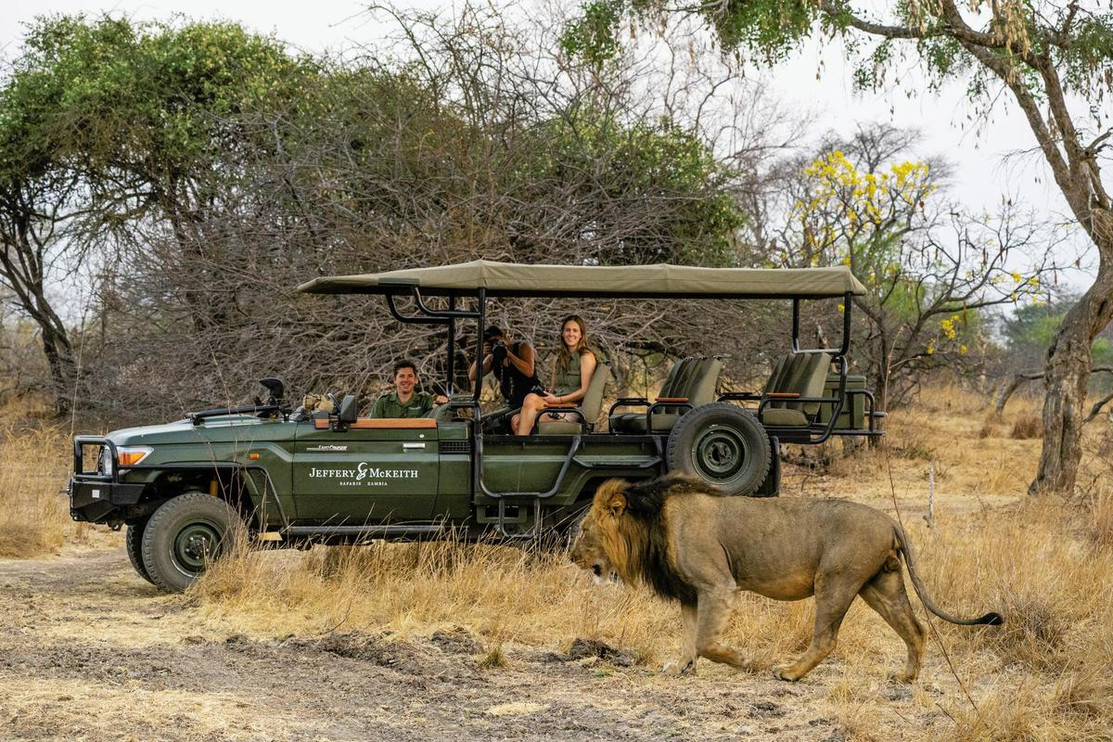
A male lion walks near a safari guide vehicle.
An African lion watched by safari tourists, Kafue National Park, Zambia. © Sebastian Kennerknecht

What To Do if You See a Lion

Lions — the largest big cat that cheetahs in Africa share their habitat with — are a different story. Lions are considerably stronger than cheetahs and have a much longer history of attacks on humans. A single swipe from a lion can easily kill a person, so it's very important to be vigilant. If you encounter a lion or multiple lions, follow this advice from Dr. Andrew Loveridge, Panthera Lion Program Director:

  1. Do not approach. Resting lions will usually stay put if you don't draw their interest.
  2. If approached, stay calm, avoid eye contact, and absolutely do not run away.
  3. Back away slowly, but if unable, stay still and wait.
  4. In the event of an attack, do not run or turn your back. Hold your ground, make lots of noise, and make intentional movements toward the charging cat to frighten it.
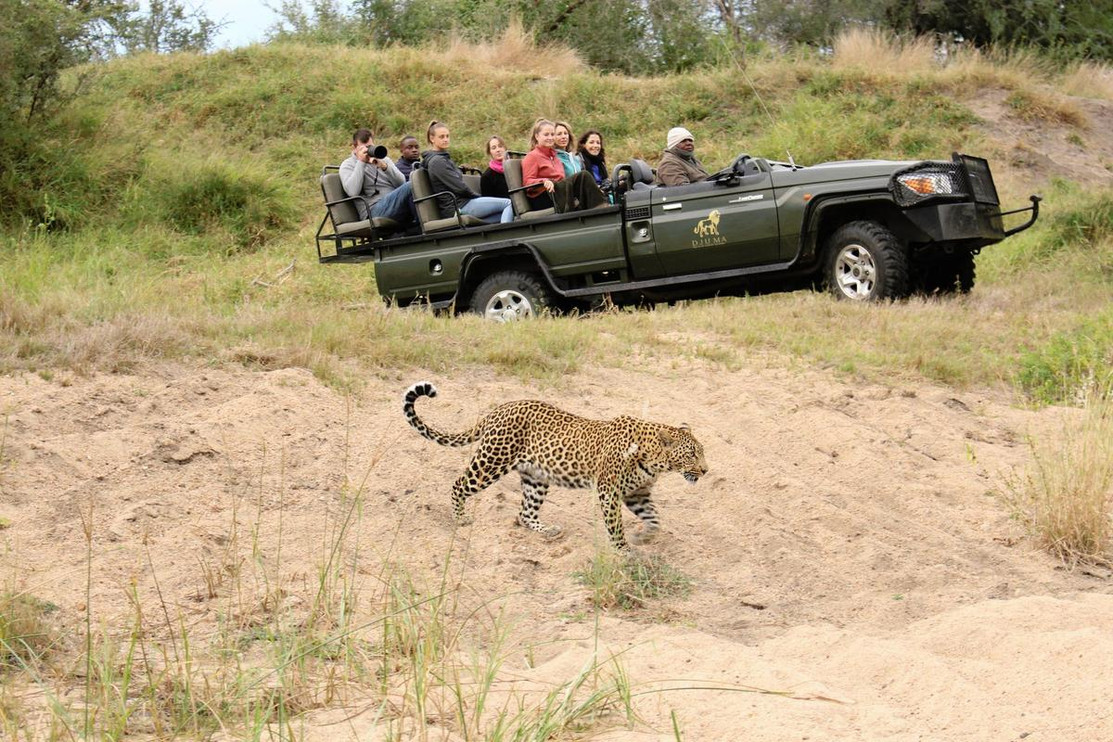
Leopard tourism
© Panthera

What To Do if You See a Leopard

Leopards are famously cryptic and elusive, and encountering them while on foot is extremely rare. Leopards frighten easily — they are usually long gone before people are aware that they were even there. Although they are famous for their ferocity and tenaciousness, leopards are generally not a threat to adults, unless the cat has been cornered or feels threatened. Generally, if you are on foot in Africa, you should be with a well-trained guide who can instruct you on what to do if you accidentally face a leopard.

The most likely outcome of an unexpected leopard encounter is that the animal will swiftly run away. But if it doesn't, here's what Dr. Gareth Mann, Panthera Leopard Program Director, recommends:

  1. Do not run! Stay calm and quiet. Back away from the leopard slowly while keeping it in sight. If there is a vehicle or building nearby, take shelter inside.
  2. Protect others. If you are with a group of people and have children, put the children in the middle of the group.
  3. Find a barrier. Slowly retreat behind a bush, tree or large rock that creates a physical barrier between you and the leopard. This should help the leopard feel less threatened. Keep the barrier between you and the leopard as you retreat further.
  4. Get big. If the leopard shows aggressive behavior (e.g., growling or showing teeth), try to appear bigger (for example, using branches), shout, clap your hands and make noise.
  5. Don't approach. Never provoke a leopard or approach it, especially in risky situations, including when the animal is feeding, mating or with its cubs.
  6. Appreciate the moment. An unexpected encounter with a leopard is a rare experience, and although it can feel stressful at the time, it is also a moment that you will treasure. Leopards in ecotourism areas are generally much more accustomed to and relaxed around vehicles than people on foot, so if you want memorable photos or videos, a game drive with an experienced guide (such as in the Sabi Sands Game Reserve) is usually a better bet!
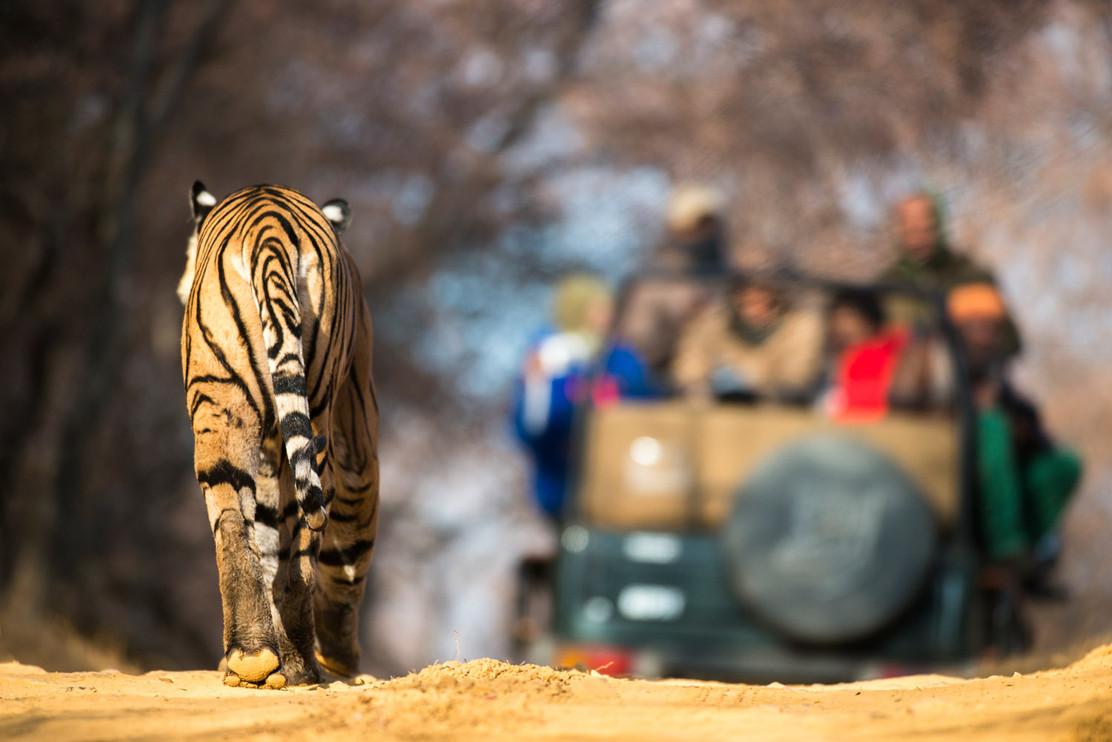
Tiger and tourist vehicle
© James Warwick

What To Do if You See a Tiger

As the largest cats on Earth, tigers should be observed respectfully from a safe distance. Seeing a tiger in the wild is a privilege, and responsible wildlife tourism means respecting not only the animal and its habitat, but also the knowledge and experience of local guides, drivers and park authorities who help visitors safely experience these landscapes. Always follow their guidance during a wildlife encounter. 

However, this skilled hunter, which can take down prey of over 3,000 pounds, sometimes comes into closer contact with people. Dr. Abishek Harihar, Panthera Tiger Program Director, shares tips for what to do if a tiger approaches — whether you're in a tourist vehicle or on foot:

  1. Respect their territory. Remember that you are in the wild cat's natural habitat. Maintain a safe distance and avoid disturbing their environment.
  2. If you’re in a tourist vehicle, follow the guidance of your local guide or driver and keep your arms and legs inside the vehicle.  
  3. Slowly move the vehicle away from the animal and watch from a safe distance.
  4. Do not approach. Resting tigers will usually stay put if you don't draw their interest.
  5. If on foot when approached, stay calm, avoid eye contact and sudden movements, and absolutely do not run away.  
  6. Back away slowly, but if unable, stay still and wait.
  7. If attacked, do not run or turn your back. Hold your ground, make lots of noise and make intentional movements toward the charging cat to frighten it. 
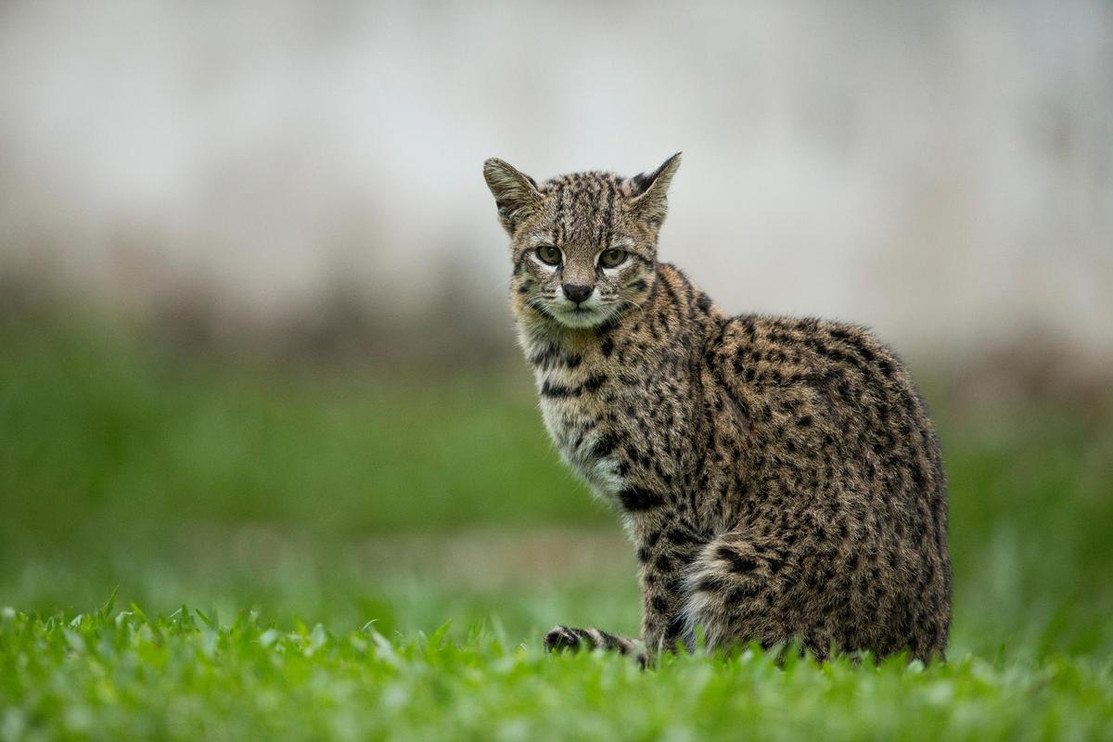
Geoffroy's cat in Argentina
A female Geoffroy's cat in Argentina. © Sebastian Kennerknecht

What To Do if You See a Small Cat

While small cats may not seem as dangerous as big species, it's important to realize that they're still wild animals that need to be respected. If you encounter a small cat, follow these steps from Dr. Wai-Ming Wong, Panthera's Director of Small Cat Conservation Science:

  1. Stay calm and observant. Maintain a safe distance from wild cats and avoid any sudden movements or loud noises. Take a moment to observe the animal's behavior from a distance.
  2. Never try to approach or touch a wild cat. Getting too close can be dangerous for both you and the animal.
  3. Give the wild cat space. If you find yourself too close to the wild cat, slowly and calmly back away without turning your back on the animal. Ensure that you leave a clear exit route for the cat.
  4. Do not feed them. Feeding wild animals can create dependency and may alter their natural behaviors and increase contact with humans.
  5. If the wild cat approaches, make noise. In most cases, wild cats will try to avoid human encounters, but if one gets too close, make noise by clapping your hands, shouting or using a whistle. The loud noise will often cause the cat to retreat.
  6. If you see a small wild cat on or near your property, keep young children close and under supervision, and bring small pets indoors until the animal has moved away. Never allow children or pets to approach or follow the animal.
  7. Respect their territory. Remember that you are in the wild cat's natural habitat. Respect their space and avoid disturbing their environment or any potential nests or den sites.
  8. Report the sighting. If the wild cat appears to be injured, sick or acting abnormally (e.g., a cat infected with rabies), report the sighting to local wildlife authorities or conservation organizations. They can properly assess the situation and provide appropriate assistance. If you take pictures, please share them with a small cat specialist. They may be looking for these records!
  9. Follow local regulations. Different regions have various regulations concerning encounters with wild animals. Familiarize yourself with the guidelines for the area you are exploring and follow them accordingly.
  10. Finally, recognize its beauty. An encounter with a small cat is rare.
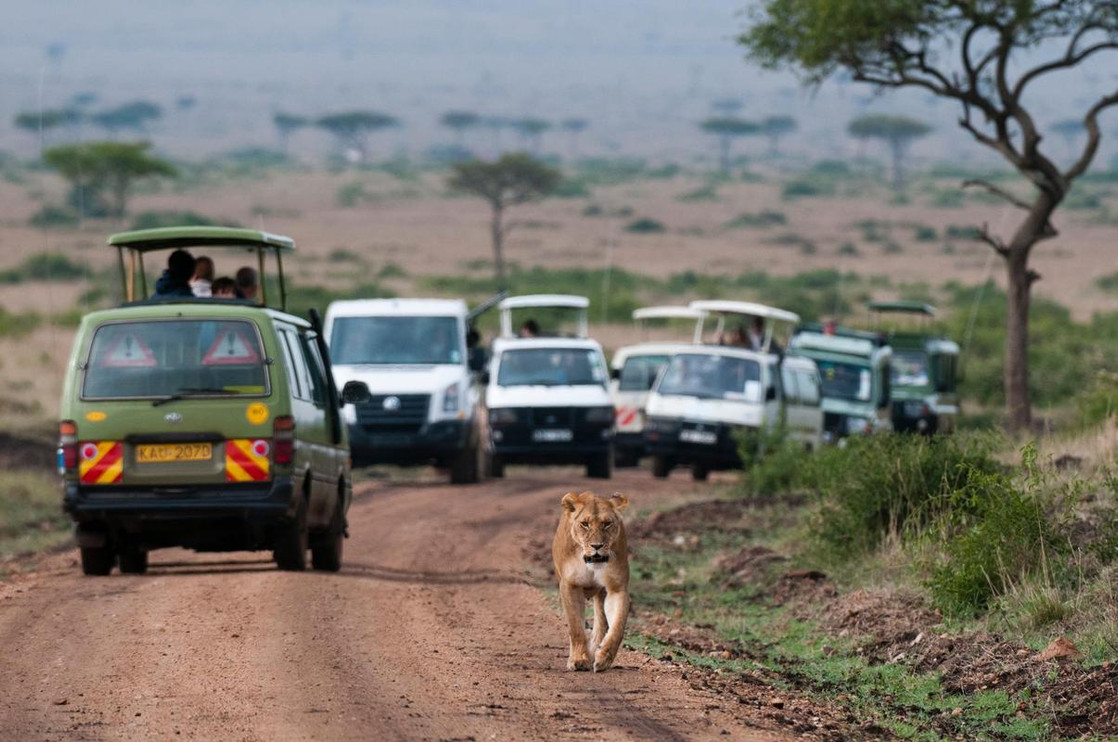
A lioness walks near safari tour vehicles.
A lioness near safari tour vehicles. © Sergio Pitamitz/National Geographic Image Collection

Respect the Wild, Keep Humans and Wild Cats Safe

Most wild cats will not show aggression toward humans if left alone and unprovoked. But wild cats are unpredictable, and respecting their space is always the right call — for your safety and theirs. Responsible tourism starts with being prepared.

Share this guide with anyone heading into wild cat country, and follow along as Panthera spotlights responsible wildlife tourism in action — from jaguar ecotourism in Brazil's Pantanal to leopard conservation in South Africa's Sabi Sands — to learn how your next adventure can support conservation.

The guidance in this article was developed by Panthera scientists based on their field experience and is intended as general information only. It does not constitute professional safety advice and may not apply to every situation or location. Wild cats are unpredictable animals, and no safety guidance can eliminate the risk of harm. By entering wild cat habitat, you assume inherent risks associated with wildlife encounters. Panthera disclaims all liability, to the fullest extent permitted by applicable law, for any injury, loss, or damage arising from reliance on this content. Always follow local regulations and the guidance of trained wildlife professionals in your area.