


Which Wild Cats Hiss?

By Panthera

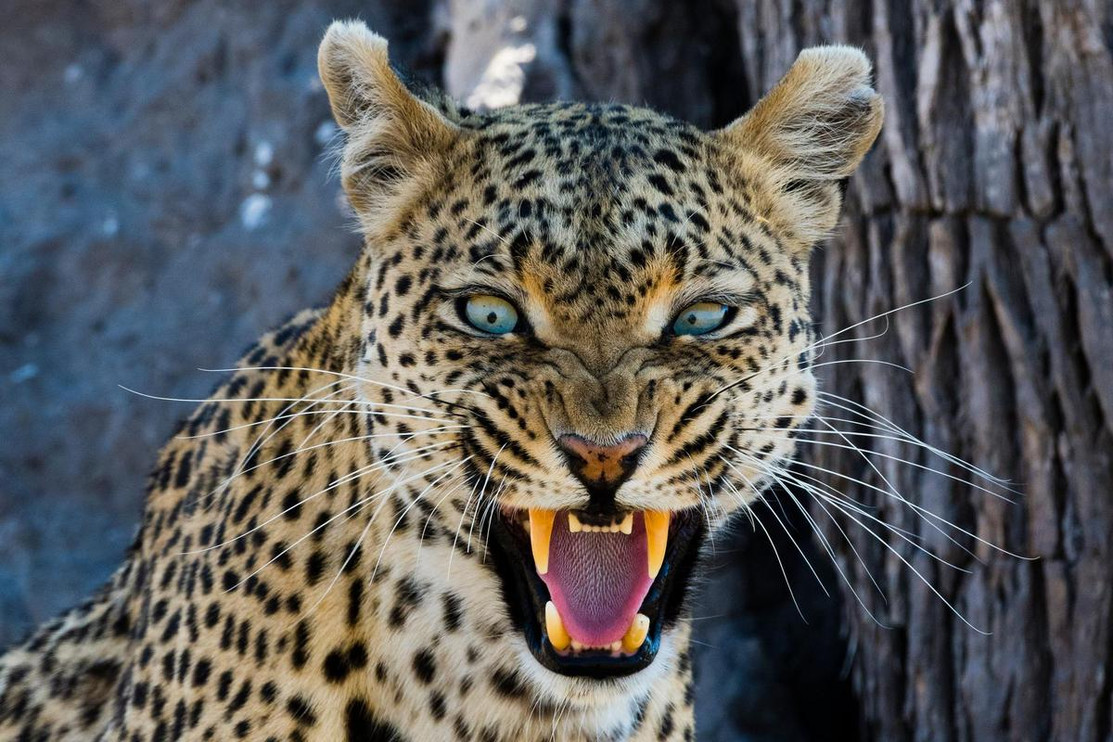
A leopard hisses
© Sergio Pitamitz/National Geographic Image Collection

Your house cat hisses at the vacuum cleaner. A cheetah on the savanna hisses at a hyena twice its size. But not all cats hiss in the same way or with the same frequency. Whether a cat hisses, roars or purrs depends on a small but significant structure in the throat called the hyoid apparatus. 

Why Cats Hiss

A hiss is a defensive warning — a short, forceful burst of air through an arched tongue that says, plainly: back off. All cats, wild and domestic, growl and hiss to some degree. The sound typically comes after a growl and before a physical confrontation, making it a low-cost, high-signal way to avoid a fight. In other words, hissing is a cat’s way of asking for space. 

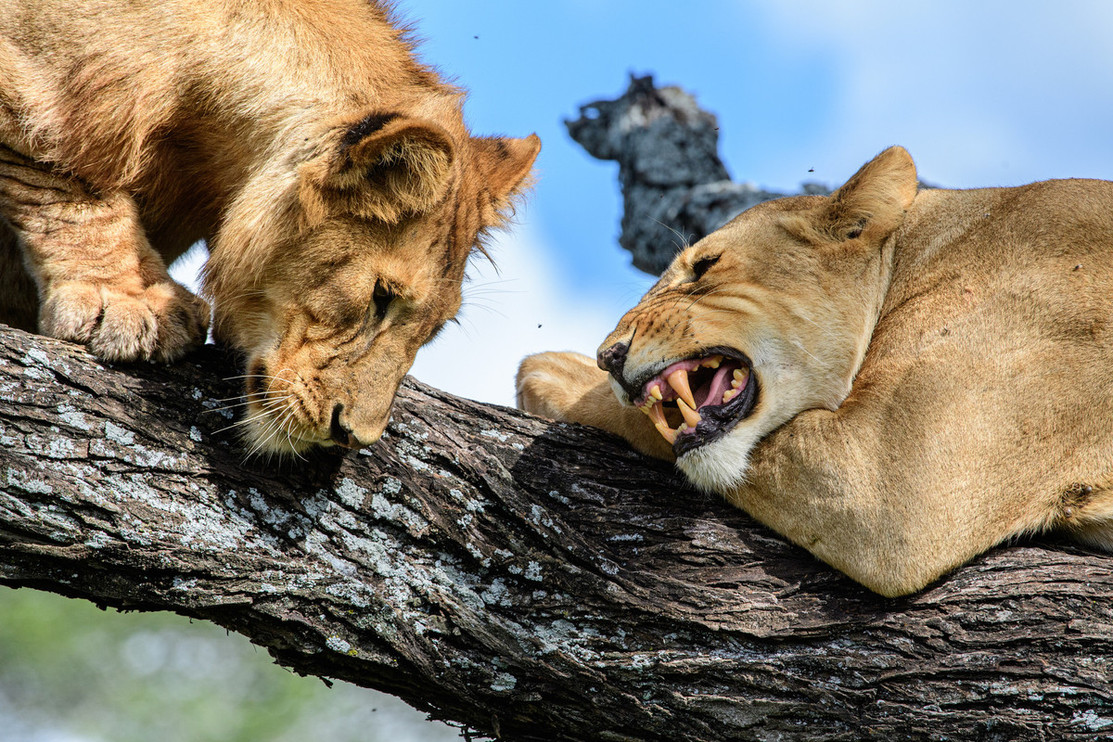
One lion hisses at another.
Wild cats hiss as a defensive warning. © Nick Garbutt

The Anatomy Behind the Sound

As with purring and roaring, hissing frequency in wild cats is shaped by the structure of the hyoid apparatus, the arrangement of small bones in the throat that supports the tongue and larynx.  

Cats in the genus Panthera (lions, tigers, leopards and jaguars) have a partially ossified, or hardened, hyoid and a flexible larynx capable of producing powerful, low-frequency roars. They can hiss, but they tend to use other vocalizations first.  

The rest of the cat family, sometimes called the purring cats or subfamily Felinae, have a fully ossified, rigid hyoid. This anatomy enables continuous purring and makes these cats prolific hissers. This anatomical difference is what drives the split between cats that roar and cats that purr — and hiss. 

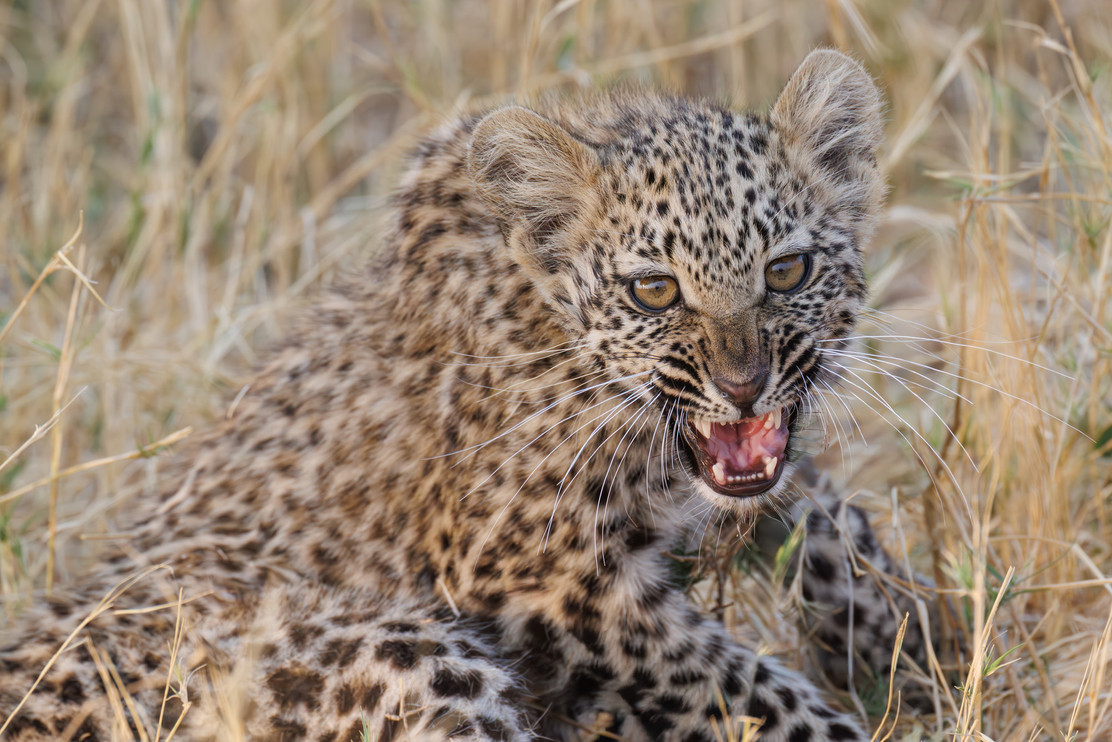
A hissing leopard cub in Botswana, Africa
A leopard cub in Botswana, Africa hisses. © Craig Taylor

Which Wild Cats Hiss 

Cheetahs cannot roar at all, but they make up for it with an extraordinary range of sounds. A 2016 study published in PLOS One documented eight distinct call types in adult cheetahs, including hiss, purr, growl, chirp, meow, howl, chirr and gurgle. Hissing is specifically tied to aggressive and defensive contexts: As a threat escalates, a cheetah will moan, then growl, then hiss, often ending with a sharp spit and a forceful paw-strike to the ground. Research from the Cheetah Conservation Fund has since identified as many as 16 distinct vocalizations in cheetahs with known histories, nearly double previous estimates. 

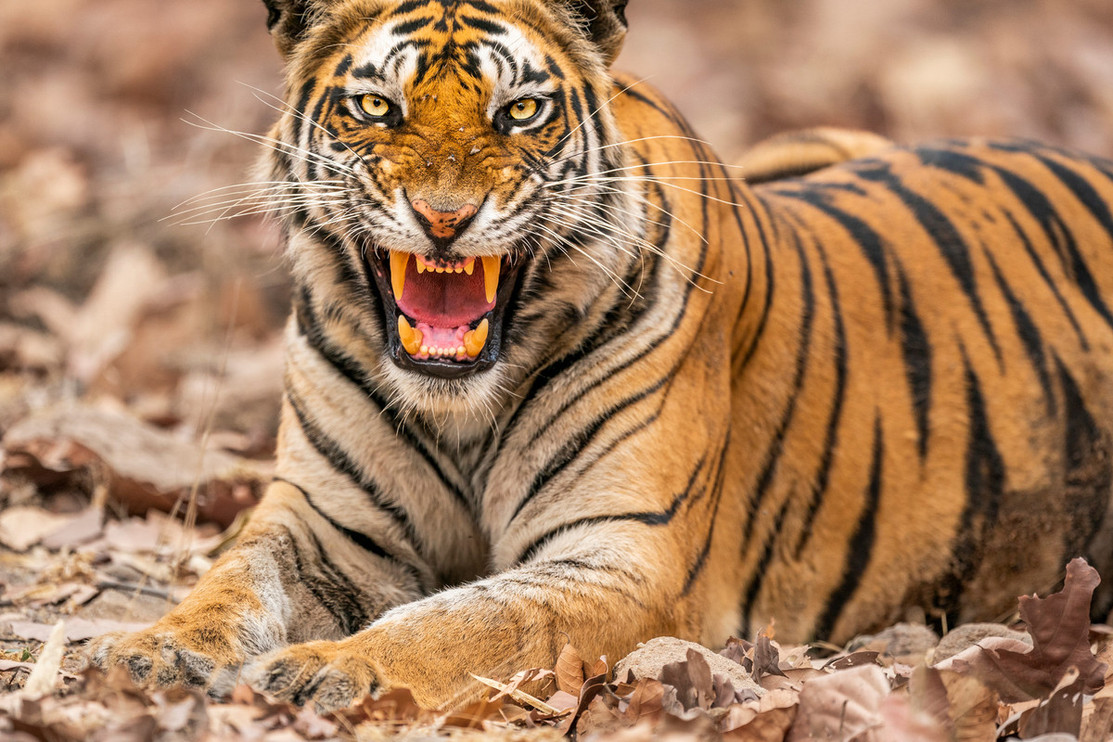
A Bengal tiger hisses
A Bengal tiger hisses. © Sebastian Kennerknecht

Pumas, also known as cougars or mountain lions, are among the most vocal cats in the Americas. They purr, mew, growl and hiss — and given their size, their hisses can be striking.  

Bobcats and lynx hiss readily when cornered or threatened. A 2026 study published in Bioacoustics confirms hissing as a consistent threat and defensive signal across lynx species. 

Clouded leopards occupy a vocal category of their own. According to the Smithsonian's National Zoo, clouded leopards can neither roar nor purr — their hyoid structure falls between the two groups — and their vocalizations include growling, hissing and chuffing. (The chuff, also called prusten, is the wild cat equivalent of a friendly hello. Made by blowing air through closed nostrils, it is non-aggressive. Tigers, snow leopards, clouded leopards and jaguars all do it.) Behavioral accounts describe clouded leopards hissing with exposed teeth and a wrinkled nose when aggressive. 

Snow leopards also hiss. Classified within the Panthera genus, they cannot roar like lions or tigers, but research on captive snow leopards identified hissing as one of five call types, alongside growling, snarling, chuffing and a mating call.  

What Vocalizations Reveal About Conservation 

Listening is becoming as important as looking in the field. Research co-authored by Panthera has shown that each lion's roar carries a unique fingerprint in its frequency pattern, making it possible to identify individuals from their calls alone. Researchers have also demonstrated that lion roars can be localized across a landscape using acoustic arrays — a promising step toward monitoring populations without collars. Machine learning tools are making this kind of analysis faster and more practical over time.  

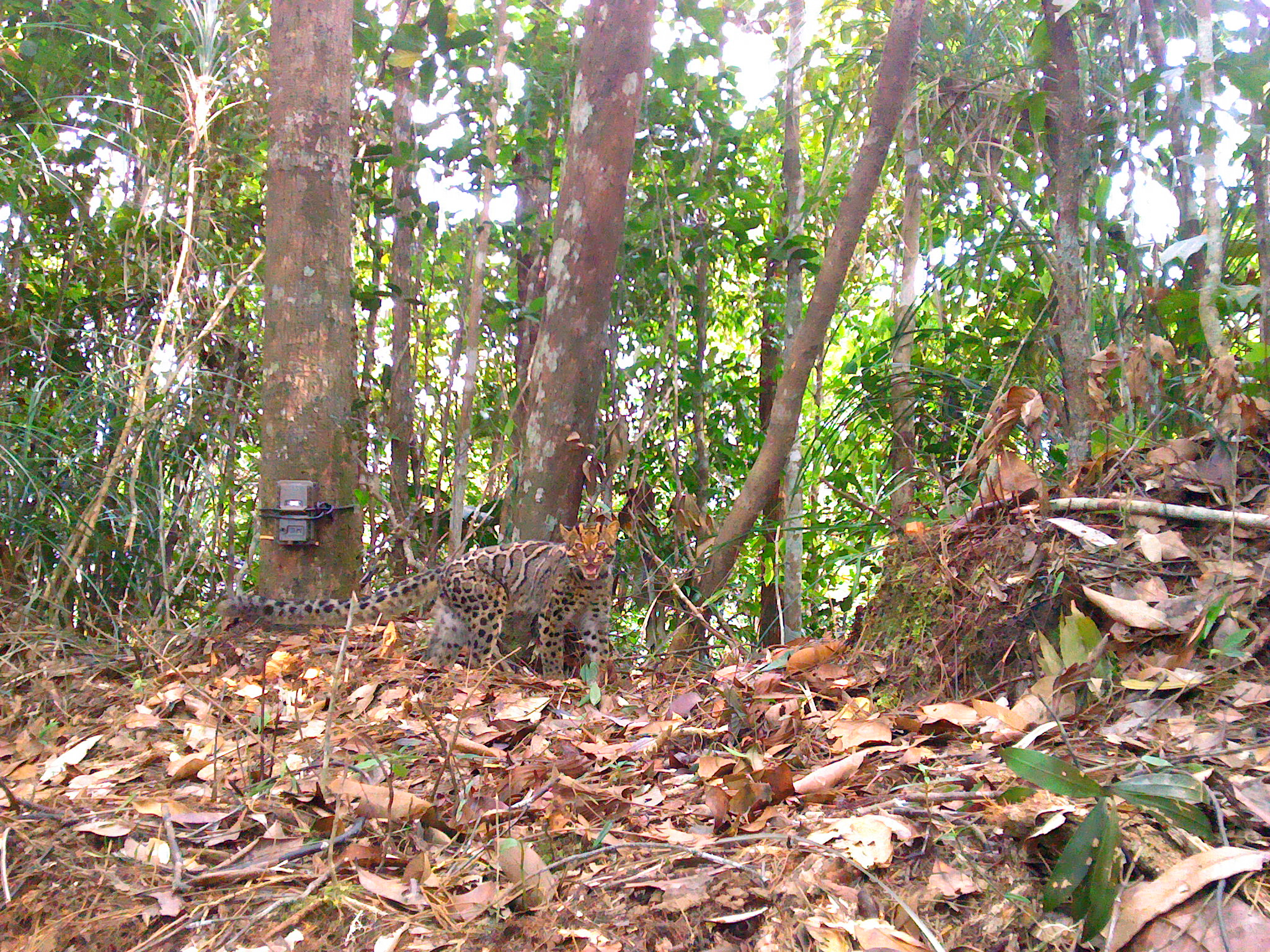
A marbled cat hisses
A marbled cat hisses. © Panthera/Pahang Biodiversity Council/DWNP/Enggang

For other species, the science is earlier but moving in the same direction. A 2026 review in Bioacoustics highlighted that individual distinctiveness in leopard vocalizations has already been demonstrated using a combination of remote cameras and passive acoustic monitoring, and a 2024 Tanzania-based study found that leopards could be identified by their individual roars — a promising glimpse of what acoustic monitoring might eventually offer researchers working with elusive, wide-ranging species. The approach remains experimental, though. Males tend to vocalize more than females, which can skew results toward an incomplete picture of a population. 

Where acoustic monitoring shows more immediate promise is simply detecting whether cats are present in an area at all, since a roar or call can travel far beyond what a remote camera can see. Panthera already uses acoustic monitoring in the field. In Guatemala and Honduras, for instance, acoustic data combined with ranger patrol records have helped reduce poaching pressure in protected areas where wild cats live, even if the monitoring targets threats rather than the cats themselves. As the science develops, listening may become one more way to understand where wild cats are. 

For a closer look at wild cat vocalizations, see our post: Which Big Cats Purr? 

To learn more about the wild cats Panthera works to protect, join our email list.