


The Last Lions of West Africa: Inside the DPN-Panthera's Collaborative Mission to Save Them

By Panthera

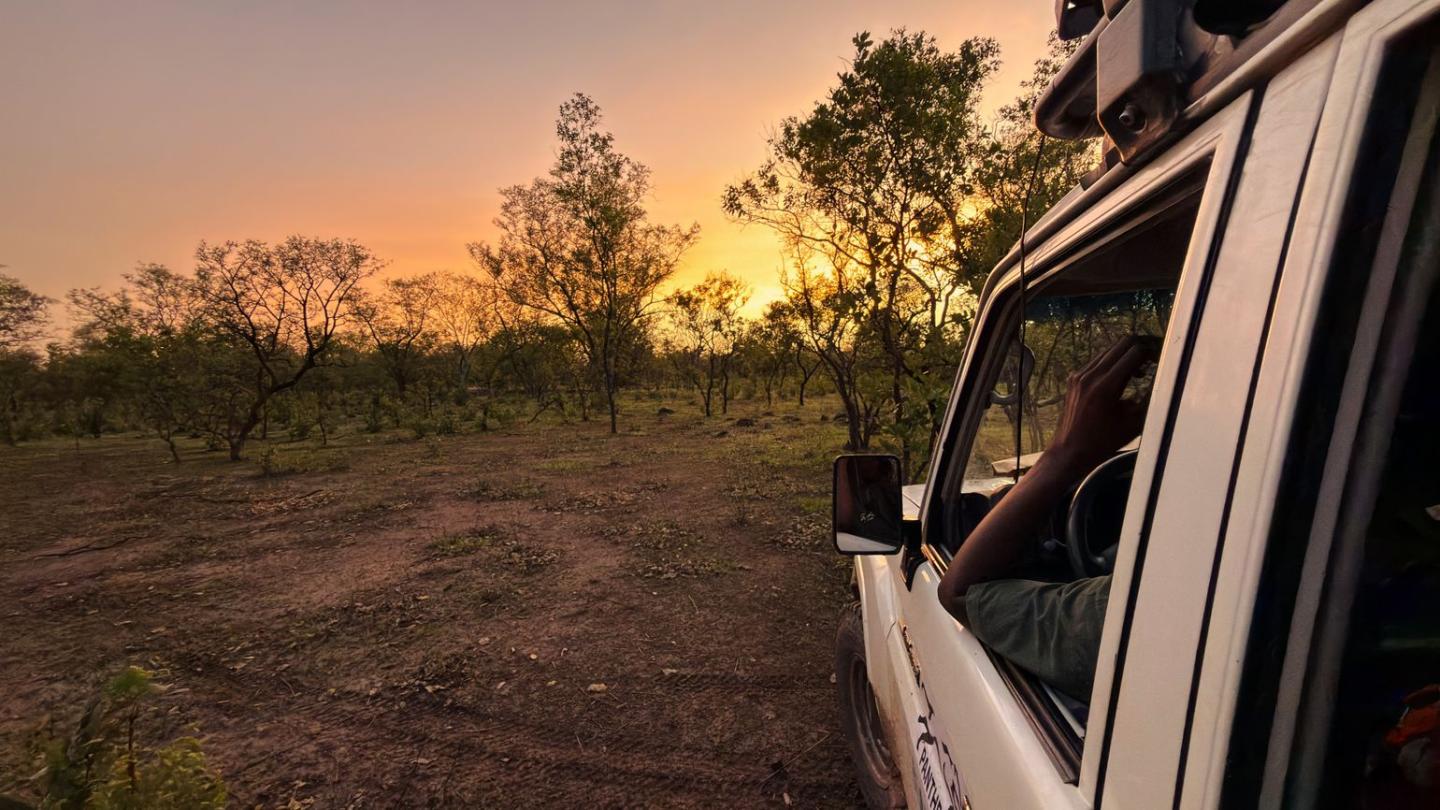
sunrise in Niokolo-Koba park, Senegal
© Stéphanie Périquet-Pearce/Panthera

Around 4 a.m., a team composed of Senegalese Directorate of National Parks (DPN) rangers, Panthera scientists and wildlife veterinarians woke in the savanna to West African lions roaring a few kilometers from their camp. They played a buffalo distress call over speakers to attract the lions, waiting in anticipation in sweltering heat and 60% humidity.

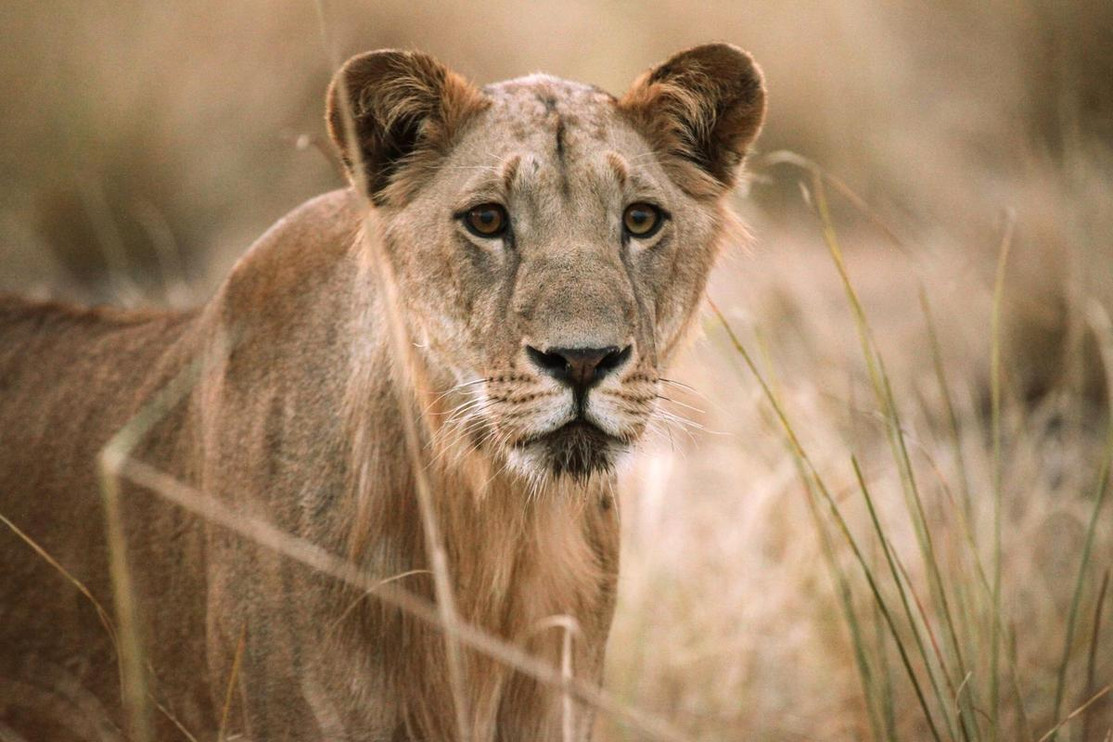
Minutes later, a lion roared back. The team switched on a low-intensity red spotlight, and 10 meters from the car, a curious lioness emerged from the darkness, followed by a male.

After months of preparation and a failed attempt in January, everyone knew: this was the moment. What followed was one of the most intense field operations the team had experienced — and one of the most important — because these lions may be among the last of their kind.

Why Niokolo-Koba Is Critical for West African Lions

The northern lion is Critically Endangered, and in West Africa, the picture is stark: A decade ago, four populations of West African lions remained. Today there are just two, and only the one in Senegal's Niokolo-Koba National Park shows unequivocal signs of recovery.

When Panthera began to support the DPN's work in Niokolo-Koba Park in 2017, fewer than 20 lions remained, confined to a small area of the park's central sector. Even a handful of deaths could have wiped out the population entirely. The DPN and Panthera are now pursuing an ambitious goal: 100 West African lions in Niokolo-Koba by 2030.

"We're working to protect the most western and smallest population of West African lions remaining in the world," said Stéphanie Périquet-Pearce, Lion Conservation Scientist at Panthera. "If they disappear from Senegal, then there's just one population left that is in rapid decline."

A young male West African lion.
A young male West African lion. © Philipp Henschel/Panthera

Reaching our goal requires knowing these lions — where they go, how they live, what threatens them. Which is why, in January 2026, the team set out to collar some of them. That attempt had come so close. Field staff believe the male they saw that morning of June was in the area in January, spotted on remote cameras and seen mating with the Simenti pride, but back then, he slipped away uncollared.

So, in June 2026 the team returned to Niokolo-Koba in the southeast of Senegal, where the Gambia River winds through dense woodland and open savanna. Tracking lions here takes patience, skill and no small amount of luck. The conditions made it harder this time, too. In January, the dry season had left the ground dusty and powder-soft, so every track held, and finding signs of lions was straightforward. With the rains beginning, the soil had hardened into compacted earth, not yet mud but firm enough that prints barely registered. Tracking by sight was nearly impossible. The team was listening as much as looking.

Collaring the Rarest Lions in the World

When the lions finally approached, the male was anesthetized first. The female lingered close by as the team moved, seemingly unwilling to leave him, and was anesthetized shortly after. Working on two lions at the same time is rare, and every decision had to account for both animals at once.

Both were fitted with satellite collars, and blood samples, hair and physical measurements were collected, along with photographs of each lion's whisker spots and teeth for identification. They were estimated to be between two and four years old. The male had a fresh puncture wound between his eye and ear, likely a bite from another lion. No parasites were detected in either animal. Neither lion has been officially named, but the male may be the same individual observed in January, connected to the Simenti pride.

From the start of the procedure to when the lions disappeared into the tree line, the entire process took about two hours. The collaring was carried out under careful veterinary supervision, providing researchers with important information to better understand and protect these lions. The female's collaring went smoothly, while the male took longer than average to recover from the procedure. His vital signs were monitored throughout and remained stable. The team's relief was palpable as he eventually rose and moved safely off into the bush.

It's possible the two were a mating pair, though we don't yet have evidence to confirm it. What collar data has since revealed is that they have spent some time together again since their collaring. The lioness belongs to a different pride from Ndeye, daughter of Florence — the beloved Simenti pride matriarch Panthera first collared in 2021. Ndeye, now fully grown, leads her mother's pride alongside her sister and younger siblings.

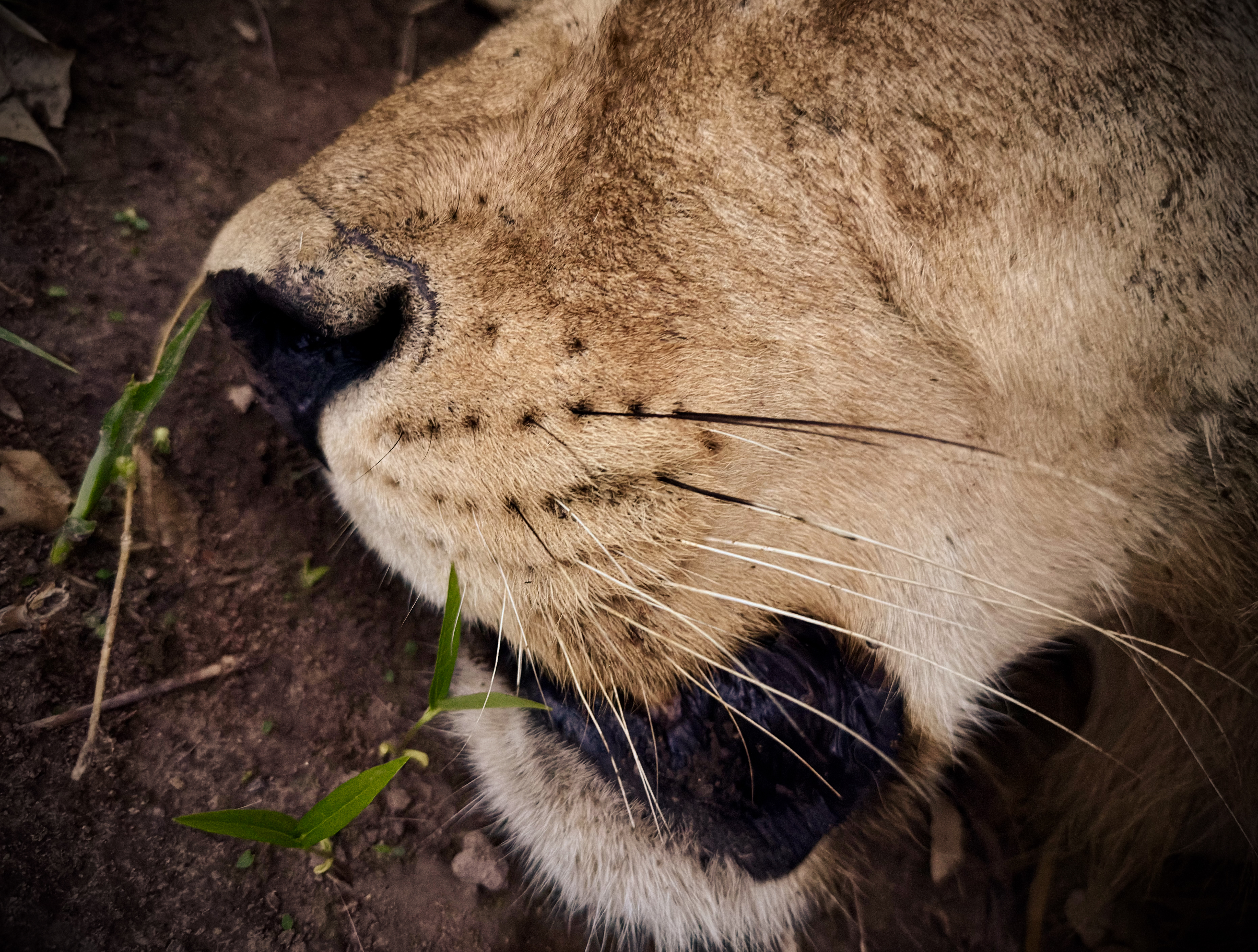
Panthera scientists will study the lions' whisker spot patterns for identification.
Panthera scientists will study the lions' whisker spot patterns for identification. © Stéphanie Périquet-Pearce/Panthera/DPN

Back at the office, the team will study the lions' whisker spot patterns to learn whether either animal has been observed before. If the male matches images from years of remote camera monitoring, they'll know far more about his history, and perhaps give him a name. This work is led by Mouhamadou Mody Ndiaye, Panthera's Wildlife and Habitat Monitoring Coordinator, whose expertise is central to everything the team does in the park.

"Niokolo-Koba is one of the most challenging places we work, and January was a reminder of that," said Andrew Loveridge, Director of Panthera's Lion Program. "Coming back and getting two collars on these lions is a real achievement for our whole team."

A Window into the Wilderness: What Collar Data Reveals About Lion Habitat, Behavior and Ecology

Since 2021, aware of the pressures and threats the lions face, scientists from Panthera, in collaboration with staff from NKNP, have been conducting missions to fit them with GPS collars. Our goal is to collect data on their movement, their home range and the threats they face within their distribution area. This information is critical for guiding surveillance operations and protecting their habitat.  

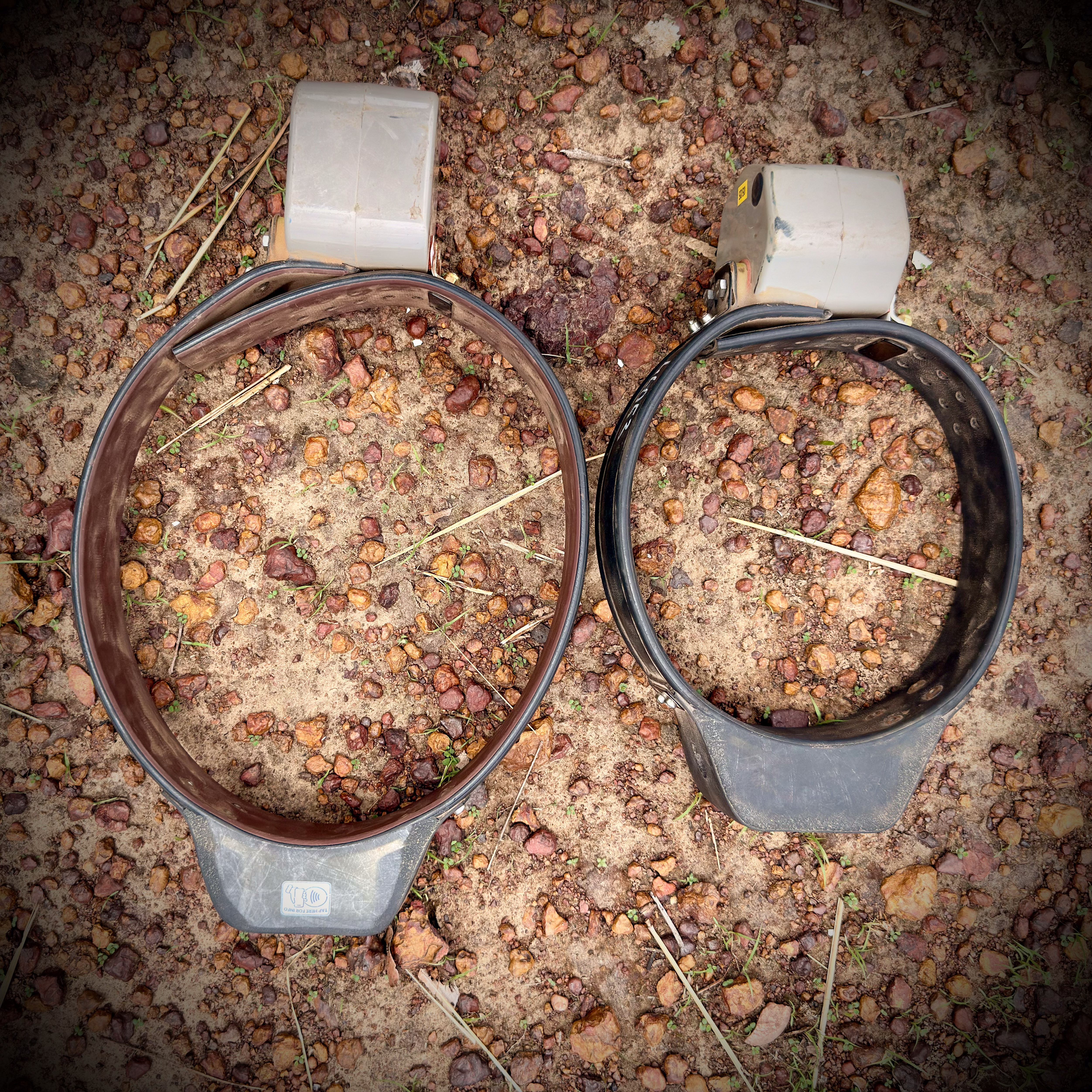
Telemetry collars use radio, GPS and/or satellite technology to track an animal's movements in near-real time. They give scientists a window into behavior, habitat use and survival that no other method can match. Panthera uses them only when the conservation need is clear and no suitable non-invasive alternative exists. Each collar weighs less than 2% of the animal's body weight and is fitted during a carefully monitored procedure that puts animal welfare first. Both collars on these lions are designed to drop off automatically when the battery runs low, so the team can retrieve the hardware. (For a full look at how collaring works and why it matters for wild cats, read our recent blog post.)

Telemetry collars for a male (left) and female lion.
Telemetry collars for a male (left) and female lion. © Stéphanie Périquet-Pearce/Panthera

Although scientists know a great deal about lions in southern and eastern Africa, West African lions are a different story. Basic questions about how these animals move, what they eat and where they're most at risk remain largely unanswered. Every data point from these two collars helps change that.

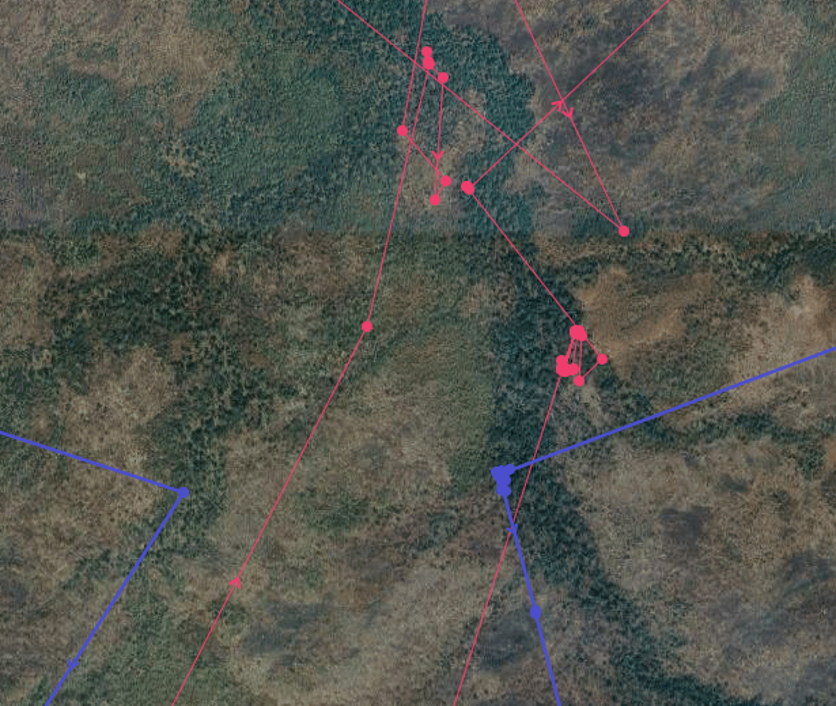
The collars will show how the lions use the park, including which areas they favor, where they rest and where they hunt. Each collar transmits the lion's location via satellite once per day. When the data shows multiple points within a 50-meter radius over a short period — what scientists call a cluster — it typically means the lion has been spending more time in a restricted area, which often indicates a kill. Teams visit those sites in the field as quickly as possible after the lion has left, because every hour matters: the longer they wait, the greater the chance that hyenas or other scavengers have carried away what remains.

Data points transmitted from collars appear as a cluster, shown here, which often indicates a kill.
Data points transmitted from collars appear as a cluster, shown here, which often indicates a kill. © Stéphanie Périquet-Pearce/Panthera

What's left — a head, a horn, a tusk, a tail — is often enough to identify the prey species. Larger animals leave more evidence and keep lions at a carcass longer, making them easier to detect. Smaller prey like warthogs may not produce clusters at all, since lions move on quickly. Over time, this builds a picture of what West African lions are actually eating — research Panthera is pioneering in West Africa.

Cluster sites also yield another valuable source of evidence: scat. When lions rest and feed in one area, they often leave droppings behind. Scientists collect those samples and analyze the prey hairs inside using DNA analysis, adding another layer of detail to what the cluster data alone can't always confirm.

Where the lions don't go will matter just as much as where they do. Areas they consistently avoid may point to another pride living nearby or to a threat the team hasn't yet identified.

Hope for Lion Recovery

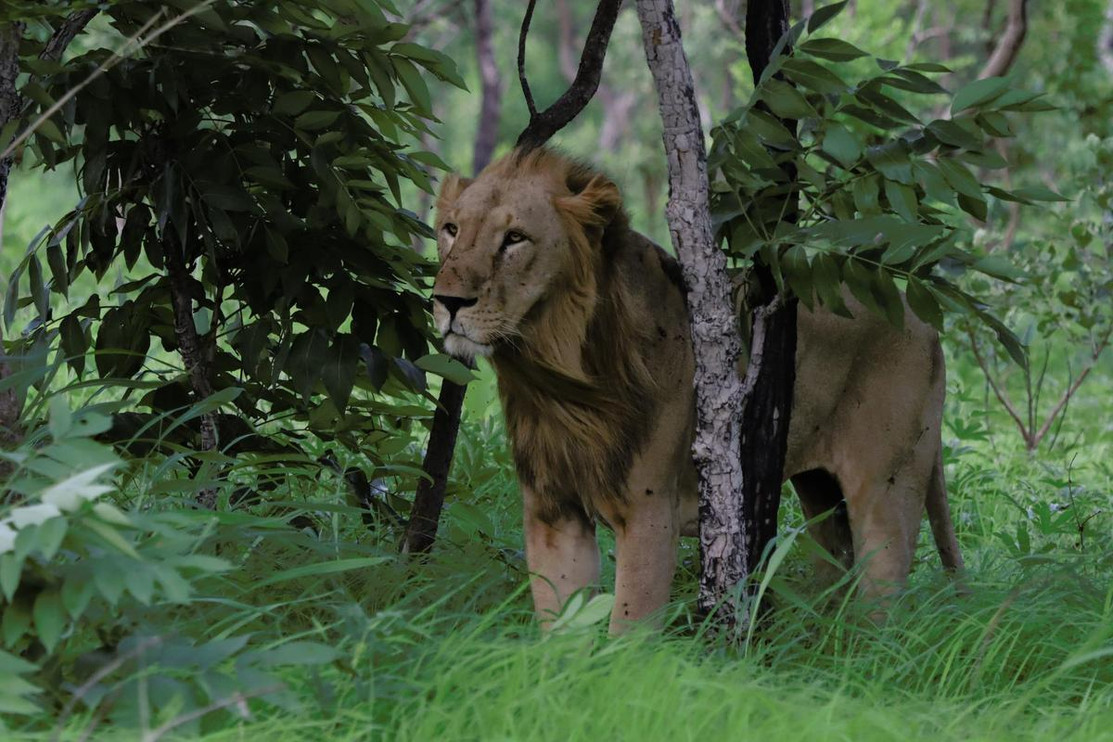
A male West African lion in green grass
Since 2017, West African lion numbers have increased by about 200%. © Mouhamadou Mody Ndiaye/Panthera

Through the DPN, the State of Senegal and its partners, in particular Panthera, have made considerable efforts to strengthen the protection of Niokolo-Koba, the ecological monitoring, the infrastructure, the equipment and the capacities of field agents. This hard work has significantly improved the park's conservation status, leading to its removal from the list of World Heritage sites in danger at the 46th session of the UNESCO World Heritage Committee in July 2024.

Since 2017, Panthera has been supporting the park's surveillance, ecological monitoring, the development of roads and waterholes, and the strengthening of field staff capacities. The development of a national action plan for lion and leopard conservation is a shared priority for the DPN and Panthera.

Together with the DPN, we are now developing a new 15-year agreement for Niokolo-Koba — a commitment to seeing this work through. Our lion scientists plan to return to assist the DPN in deploying three more collars in early 2027; the wet season makes the park inaccessible until then. Every cluster visited, every scat sample analyzed, every camera trap checked is another data point in a story that's still being written.

As the sun rose over the Senegalese savanna, two West African lions rose and walked into the bush. The team that had listened for their roar in the darkness watched with deep relief and renewed hope for the future of the rarest lions in the world.