


The ‘Cloud Jaguar’ Returns

By Panthera

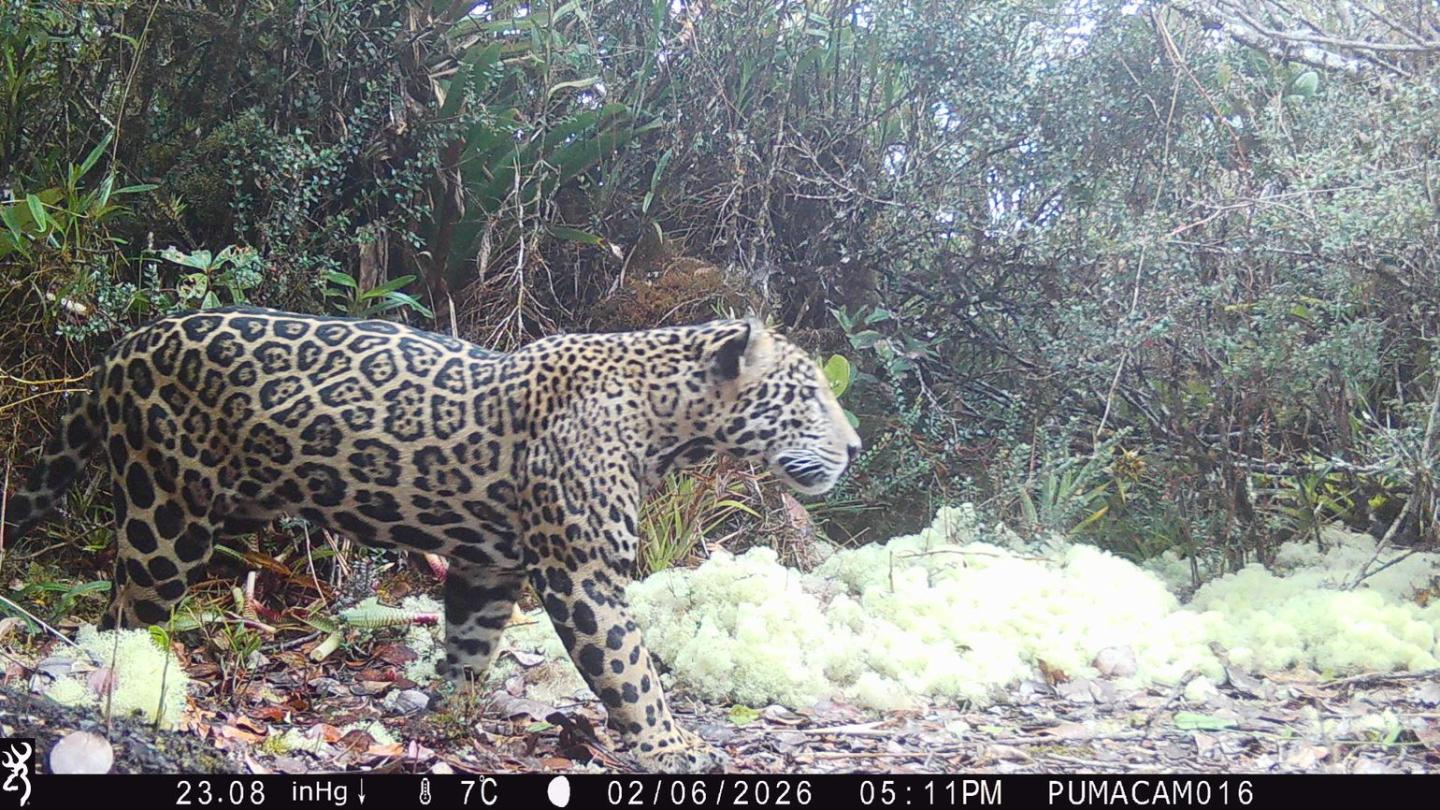
A rare adult male cloud jaguar photographed in Honduras
© Panthera

For the first time in a decade, a camera trap in the Honduran Sierra del Merendón mountain range just caught a jaguar — at the highest elevation ever recorded for the species in the country. 

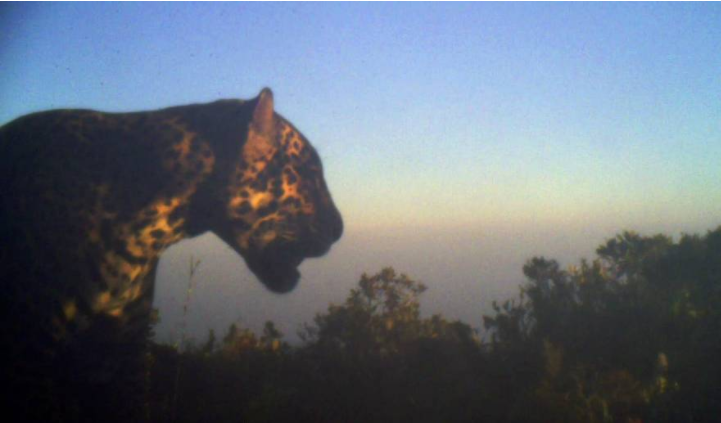
On February 6, a healthy adult male was photographed at 2,200 meters above sea level. The species is typically found below 1,000 meters. He was photographed just two meters from where the park's very first jaguar was captured on camera, exactly ten years and two days earlier. 

What Is a "Cloud Jaguar"? 

Jaguars found in high-elevation cloud forests are sometimes called "cloud jaguars." They are rare, and until recently, largely invisible to science. 

There have only been a handful of sightings, including in Costa Rica and Mexico. It’s unclear if this is a new behavior or something that had previously gone undetected due to the remoteness of high-altitude areas. 

Why This Sighting Matters 

The Sierra del Merendón range is a critical passageway within the Jaguar Corridor, a connected chain of habitats stretching from Mexico to Argentina. Jaguars travel this corridor to find mates, hunt and maintain genetic diversity across populations.  

The jaguar could have come from one of four populations in Guatemala and Honduras. The populations in Honduras are thought to be small: 10 to 18 jaguars in Jeannette Kawas National Park and 20 to 50 in Pico Bonito National Park. Therefore, movement between populations is essential for maintaining genetic diversity.  

"This individual isn't a resident. He's a traveler," said Franklin Castañeda, Panthera's Honduras Country Director. "That corridor only functions if every stepping stone along it is protected. This sighting confirms the Merendón range is still serving that role." 

Honduras has one of the highest deforestation rates in Latin America, making every intact forest corridor more valuable. Jaguars have already lost nearly half of their historic range and are listed as Near Threatened on the IUCN Red List.  

However, the sighting comes at a strong global moment for jaguar conservation. Last month in Brazil at the UN Convention on Migratory Species Conference of the Parties (CMS COP15), governments across 19 jaguar range countries adopted a new international framework for jaguar protection and habitat connectivity, building on commitments made under CITES in late 2025. 

Governments in Jaguar Range States will now take significant actions to protect this charismatic species and its habitat. These conservation measures include: promoting coexistence among jaguars, Indigenous peoples and local communities; restoring jaguar habitat; improving population monitoring; and addressing illegal killing of the species. 

A Decade of Conservation Work 

The 2016 sighting prompted Panthera and it partners, including Wildlife Without Borders and the U.S. Fish and Wildlife Service, to establish a protected wildlife corridor in the Merendón range between Honduras and Guatemala. Ten years later, this new sighting is evidence that the work has had an impact. 

A rare male cloud jaguar in Honduras
A jaguar detected in the mountains of Sierra del Merendón, Honduras in 2016. © Panthera. 

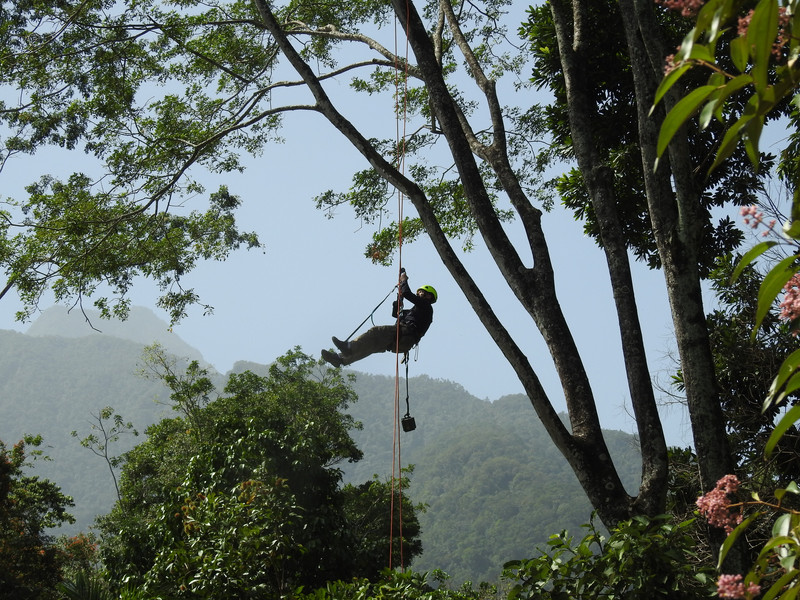
Since then, Panthera teams have run anti-poaching ranger patrols, reintroduced prey species including peccaries and iguanas, and deployed acoustic monitoring devices to identify where poaching is most active. Panthera is also a founding member of the SMART-EarthRanger Conservation Alliance (SERCA), a platform that helps conservation teams manage and share data in real time. 

A Panthera staff member installs acoustic monitors in the Honduras jungle.
Acoustic monitors are fitted in Honduras as part of an anti-poaching effort by Panthera. © Panthera.

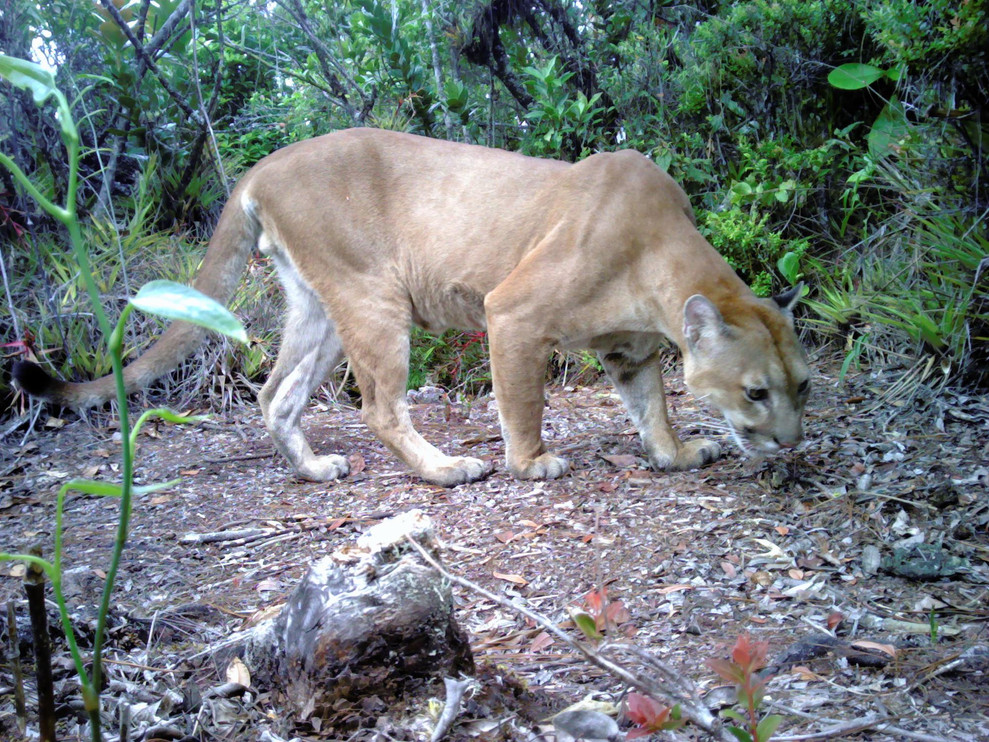
The results go beyond jaguars. The Merendón range now hosts all five wild cat species found in Honduras, including ocelots, margays and jaguarundis. The first confirmed puma in the range was recorded in 2021; three more have been documented since. 

A puma detected by camera traps in Honduras' Sierra del Merendón mountain range
A puma was detected by camera traps in Honduras' Sierra del Merendón mountain range in 2021 for the first time, after 17 years of surveys. © Panthera.

The Merendón range is one link in a chain of connected habitats running from Mexico to Argentina. Panthera's Jaguar Corridor Initiative works across priority landscapes in 11 of the 18 countries where jaguars still live, with the goal of keeping those connections intact through 2030 and beyond

A Future for Jaguars 

Panthera is working with Rainforest Trust and partners to establish a new protected area — Wildlife Refuge Guanales — connecting Cusuco National Park in Honduras with the Sierra Caral reserve in Guatemala. The area is a key link for jaguar and puma movement through the Bi-National Corridor. 

“Connectivity is king for the future of the jaguar,” said Dr. Allison Devlin, Jaguar Program Director at Panthera. “This factor has the biggest influence on the long-term survival of jaguars throughout their range to ensure genetic diversity between viable populations.” 

Together, we can secure and link jaguar habitat and populations in the Jaguar Corridor. Learn more about the cloud jaguar sighting and how you can create a hopeful future for jaguars