



Saving Spots: A New Study Shows How Synthetic Furs Are Helping Leopards Recover in Zambia 

By Panthera

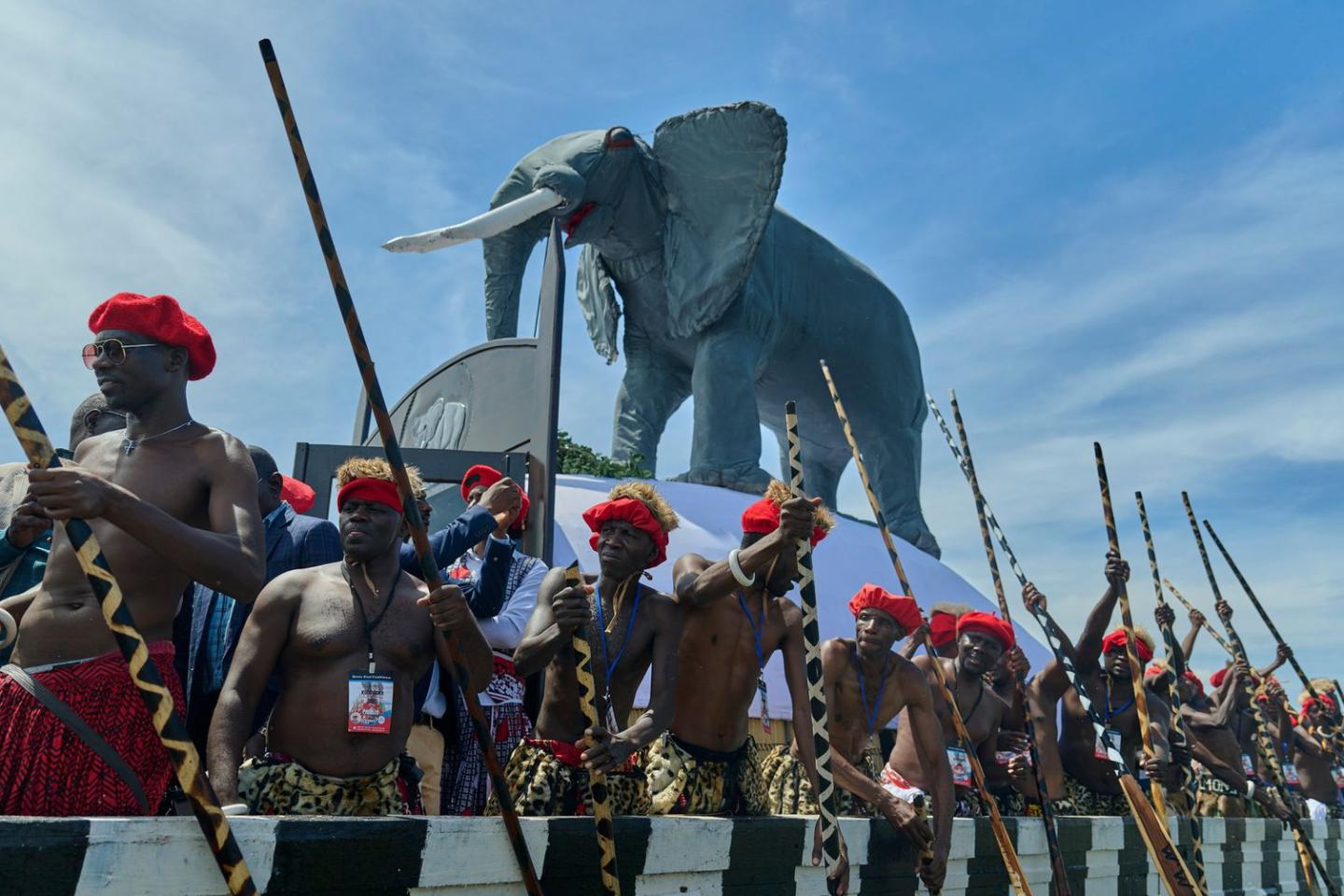
Lozi paddlers
© Roger Jardine

A new study finds that Panthera’s Furs for Life project has helped support leopard populations in Zambia while offering a framework to measure the effectiveness of demand-reduction conservation strategies. 

Wild cats large and small are used in traditional medicine, divination practices and ceremonial regalia, making them targets for poachers, traffickers and criminal networks. One proposed conservation strategy is the use of synthetic substitutes, such as synthetic furs, to shift demand away from vulnerable wildlife. But does this approach actually work in practice?  

new study published in Conservation Biology provides the first direct empirical link between a demand-reduction initiative using synthetic substitutes and measurable population recovery in a threatened species — leopards in Western Zambia. The findings suggest that culturally endorsed alternatives, combined with community engagement and effective law enforcement, can contribute to species protection. 

The six-year study, conducted from 2018 to 2024, was led by Panthera in partnership with the Barotse Royal Establishment of the Lozi people (BRE), Zambia’s Department of National Parks and Wildlife (DNPW), Wildlife Crime Prevention Zambia (WCP), and the University of Oxford’s Wildlife Conservation Research Unit (WildCRU) and Environmental Change Institute. 

Saving Spots 

In Zambia’s Greater Kafue Ecosystem, leopard populations have faced intense poaching pressure driven by demand for ceremonial skins, particularly for the annual Kuomboka ceremony and related Lozi royal traditions. 

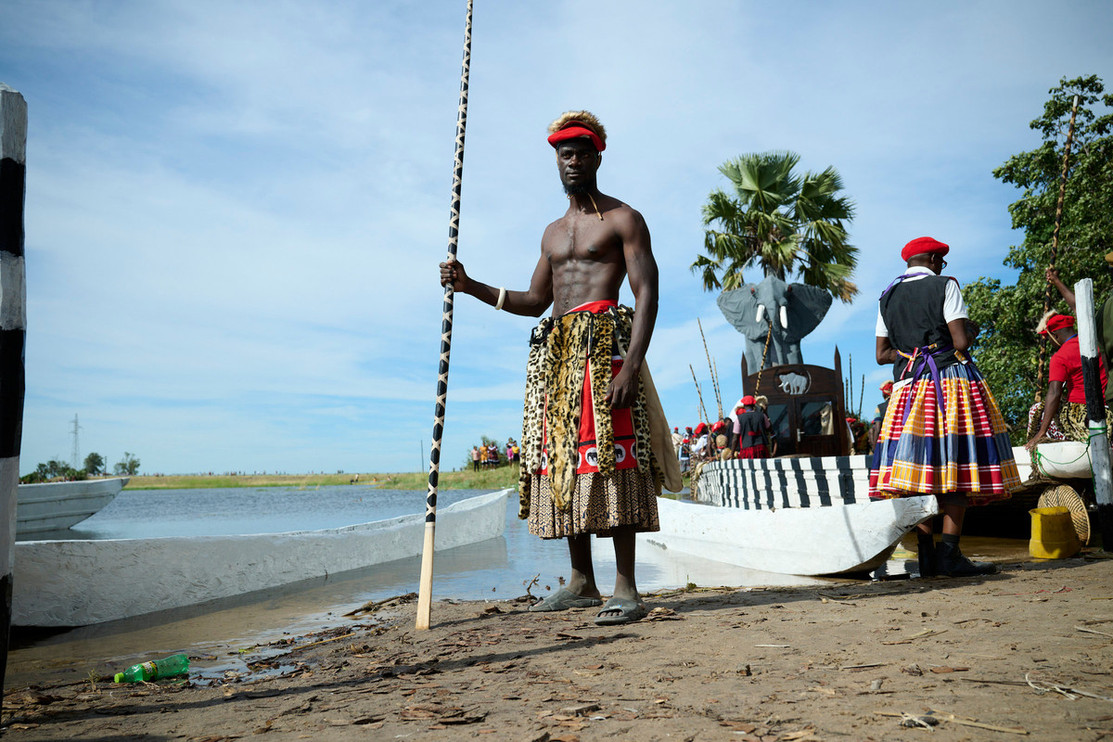
Each year, the Lozi people mark the seasonal flood cycle of the Barotse Floodplains through the Kuomboka (outbound) and Kufuluhela (return) ceremonies. During Kuomboka, about 200 royal paddlers transport the Litunga, the Lozi king, on a ceremonial barge. Paddlers wear traditional regalia, including red berets trimmed with lion mane and lipatelo skirts made from the furs of leopard, serval and other wild cats. 

An estimated 150 to 250 fur garments were needed annually, with leopard skins preferred for their symbolic association with power, courage and grace. Many paddlers previously obtained skins by hunting or purchasing them from poachers, primarily within the Greater Kafue Ecosystem. That demand was linked to the killing of an estimated 44 adult leopards each year. 

In 2017, Senior Chief Inyambo Yeta invited Panthera to partner with the BRE to adapt South Africa’s Furs for Life model to Zambia. 

In 2019, Furs for Life Zambia (formerly Saving Spots) began distributing high-quality synthetic leopard furs, known as Heritage Furs, to replace authentic skins used in ceremonies. The furs were co-developed with and formally endorsed by the BRE, including a royal directive requiring their use during official ceremonies. 

A total of 1,350 synthetic furs were designed with user input, produced and distributed free of charge to paddlers. The garments are stored at royal palaces and reused, with an expected lifespan of eight to 10 years. 

A Lozi member tries on a Heritage Fur lipatelo or skirt at the 2025 Kuomboka in Zambia.
A Lozi member tries on a Heritage Fur lipatelo or skirt at the 2025 Kuomboka in Zambia. © Roger Jardine

Measuring Impact 

Researchers and the BRE evaluated the project using a novel framework known as EMMIE (effect, mechanisms, moderators, implementation and economic cost), commonly applied in crime prevention research. The study drew on community surveys, law enforcement records, court data, remote camera monitoring and stakeholder interviews, while also testing alternative explanations for observed changes. 

The results were strongly positive: 

  • High acceptance: 95% of surveyed paddlers supported the use of synthetic furs. 
  • Widespread adoption: By 2024, adoption of synthetic furs among leopard fur users exceeded 80%, and self-reported ownership of authentic leopard furs declined by 78%. 
  • Reduced trafficking: Leopard-related seizures dropped by more than 75%, from 11.25 to 2.88 per 100 wildlife crime cases between 2018 and 2024.  
  • Wild cat recovery: Leopard density increased from 2.7 to 3.8 individuals per 100 square kilometers across the ecosystem.  
  • Cost efficiency: Researchers estimate about 360 leopards could be saved over 10 years at a cost of roughly $1,924 per animal.  

Complementary supply-side interventions also supported leopard recovery by reducing opportunities for leopard poaching and trafficking.  

These findings align with research from the Science for Nature and People Partnership’s (SNAPP) Deterring Wildlife Crime Working Group, led by The John Jay College of Criminal Justice and the Wildlife Conservation Society and of which Panthera is a member, showing that the most effective wildlife crime prevention strategies address both supply and demand. The project is also featured as a case study on SNAPP’s Interventions for Preventing Wildlife Crime database, which makes valuations of wildlife crime interventions accessible to researchers, practitioners and decision-makers. 

A Model for Conservation 

Lozi paddler
© Roger Jardine

The study represents the first comprehensive evaluation of a wildlife product substitution strategy across the full supply chain — from consumer demand to trafficking, poaching and population outcomes. By combining multiple data sources and accounting for real-world complexity, it provides evidence that synthetic alternatives can reduce illegal trade and support species' recovery. 

“When culturally endorsed synthetic substitutes are combined with community engagement, traditional leadership and supply-side enforcement, they can reduce demand for illegal wildlife products and support species recovery, like they’ve done for leopards in the GKE,” says Adi Malgaonkar, Panthera Site Support Catalyst and the study’s lead author. “They’re relatively cost effective, too, making them a strong complement to existing conservation strategies. Our use of structured evaluation frameworks also helps us strengthen the confidence of this intervention.” 

With an estimated 90% of African countries using animal parts from species such as lions, cheetahs, leopards and servals in cultural or ceremonial contexts, the findings may offer a scalable model for conservation that also respects tradition. 

On International Leopard Day, the study highlights the role of science, collaboration and cultural leadership in securing a future for leopards in Zambia and beyond.