


Wild, Not Domestic: The Truth About Servals in the Pet Trade

By Panthera

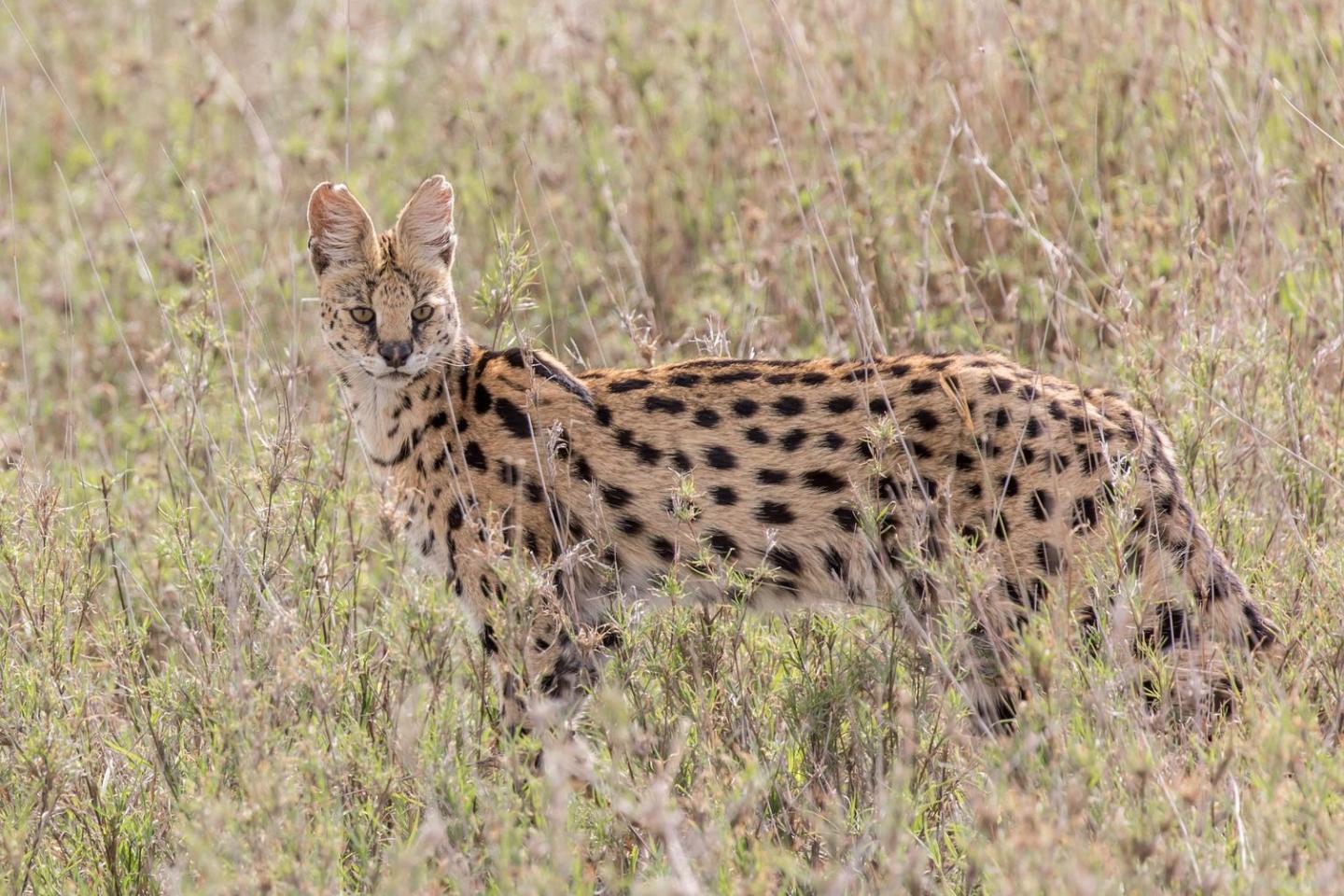
Serval
© Craig Taylor

Every year, millions of wild animals are pulled from their natural habitats or bred in captivity under stressful conditions to supply a global market for exotic pets. The exotic pet trade is one of the most lucrative forms of wildlife trafficking in the world, generating billions of dollars annually and touching nearly every region on Earth. It's also one of the least visible threats to wild populations, often obscured by misleading claims of legality, online marketplaces, and the perception that owning a wild animal is a matter of personal choice rather than conservation consequence. 

Wild cats are among the most sought-after animals in this trade. To understand why and what's at stake, servals (Leptailurus serval) offer a revealing case study.

What Wild Cats are Targeted in the Exotic Pet Trade? 

Servals, found in over three dozen African countries south of the Sahara Desert, are medium-sized cats known for their large ears and spotted tawny coats. Their striking appearance and manageable size make them a target for the exotic pet trade, where they are sold as status symbols or novelty pets, sometimes fetching thousands of dollars. 

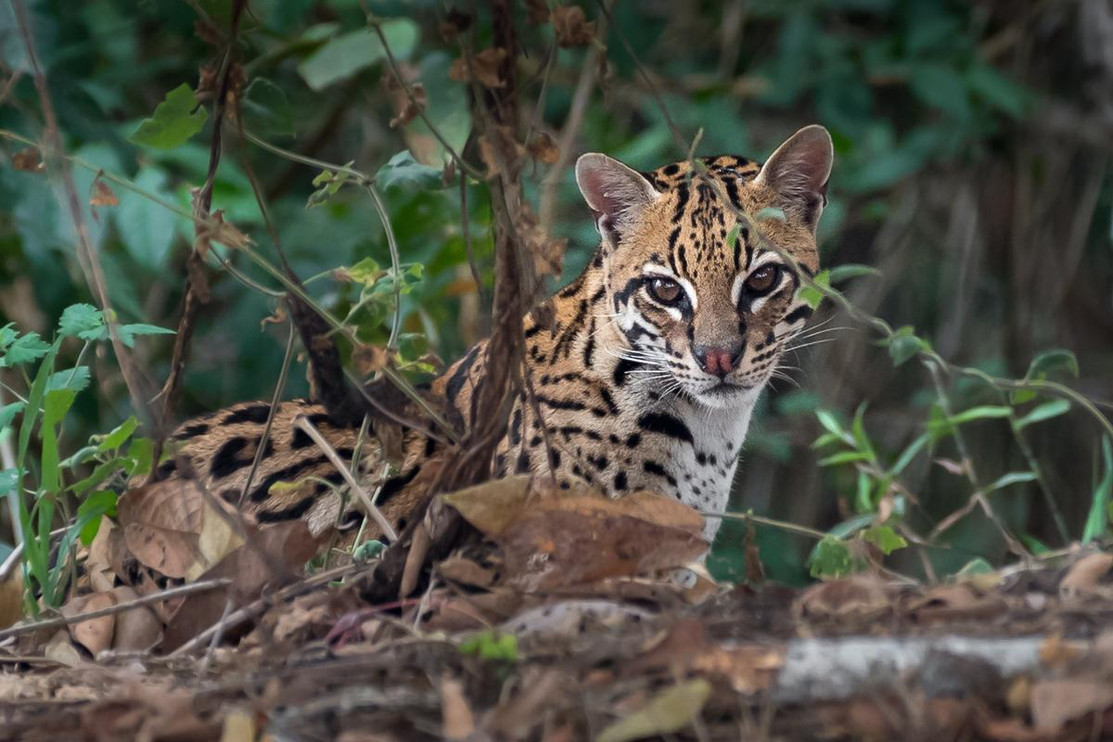
Servals aren't alone. Caracals (Caracal caracal), with their striking tufted ears, are increasingly appearing in private collections across the Middle East and beyond. Ocelots (Leopardus pardalis), once heavily targeted for the fur trade, now face renewed pressure as pets.  

A female ocelot in the Brazilian rainforest
A female ocelot. © Karin Saucedo 

Across species, the pattern is similar: animals that are visually striking, smaller than the iconic "big cats," and available — legally or not — through a loosely regulated network of breeders, dealers and importers. 

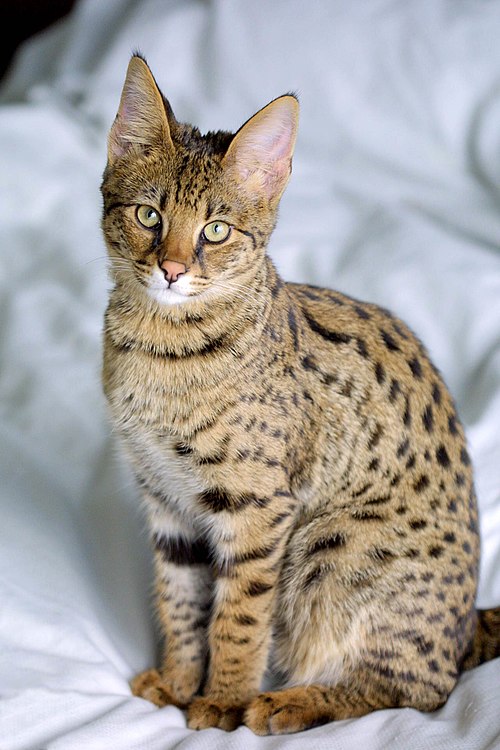
For servals specifically, hybridization has become a significant driver of demand. The Savannah cat — a domestic cat crossbred with a serval — has surged in popularity, and with it, appetite for the "real thing."

Unlike Savannah cats, which are considered domestic cats and may be legally owned in some U.S. states and other jurisdictions depending on local laws, servals themselves are wild animals. Owning a serval — whether wild-caught or captive-bred — is illegal or heavily restricted across many parts of the world. 

Servals aren't the only wild cats being bred into the exotic pet market this way. Bengals are bred from Asian leopard cats (Prionailurus bengalensis), Chausies from jungle cats (Felis chaus), Safari cats from Geoffroy's cats (Leopardus geoffroyi), and Caracats from caracals — each hybrid normalizing its wild parent species as a kind of aspirational upgrade.  

Savannah cat
A Savannah cat, a domestic cat crossbred with a serval.

As these breeds have grown in popularity, so has demand for the wild cats behind them. Some buyers, drawn in by the hybrid, eventually seek out the source. A serval raised from a kitten, they assume, is simply the next step — a more authentic version of a pet they've already been sold on. It isn't. 

How the Exotic Pet Trade Impacts Wild Servals

The exotic pet trade creates pressure on wild populations by fueling a demand that captive breeding alone cannot cleanly satisfy. Wild-caught animals are frequently laundered into the legal market, papered as captive-bred to meet import requirements. This makes the supply chain nearly impossible to trace and allows illegal capture to persist beneath a veneer of compliance. 

Even legally captive-bred animals aren't a conservation-neutral solution. Captive breeding operations can stimulate rather than offset demand, expanding the market and increasing the social normalization of wild cats as pets. Legality, in other words, does not equal conservation safety. 

The impacts extend beyond servals. The networks that move wild cats overlap with broader wildlife smuggling infrastructure, creating compounding risks for multiple species. Removing animals from ecosystems or breeding them away from their ecological roles weakens the predator-prey dynamics that healthy landscapes depend on.  

There are also direct public safety concerns: Wild cats in private homes may present risks to their owners, and animals that become unmanageable are frequently surrendered, abandoned or euthanized. 

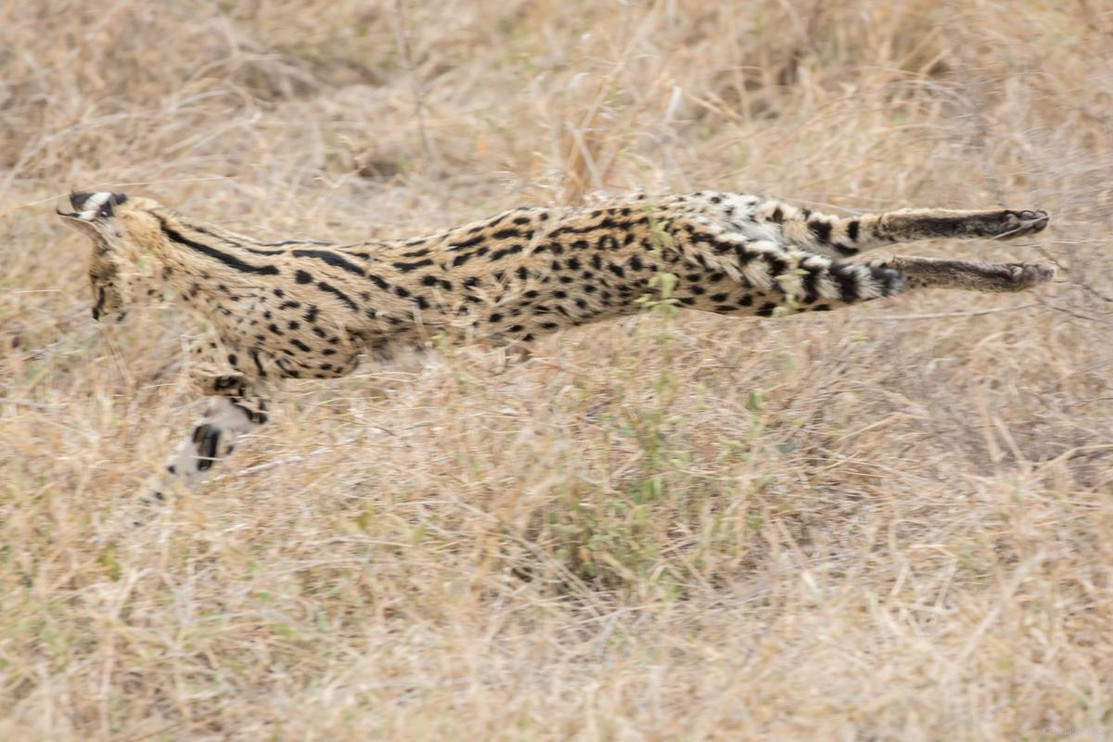
A serval leaping through grass
A serval leaps through grass in Tanzania. © Craig Taylor 

Servals Are Wild Animals, Not Domesticated Cats  

Domestication is not a matter of upbringing. It is a process that unfolds over thousands of generations of selective breeding, gradually reshaping an animal's biology and behavior to suit proximity to humans. A serval raised from a kitten is not domesticated — it is a wild animal that has been habituated, temporarily, to a controlled environment. 

This is an important distinction. Servals retain their full prey drive, their territorial instincts, and their need for the space and stimulation that only a wild landscape provides. In captivity, these needs go unmet. The result is not a contented pet but an animal under chronic stress — prone to behavioral problems, unable to engage in the hunting, roaming and social patterns that define a healthy serval life. The cost of the exotic pet trade is paid most directly by the animals themselves. 

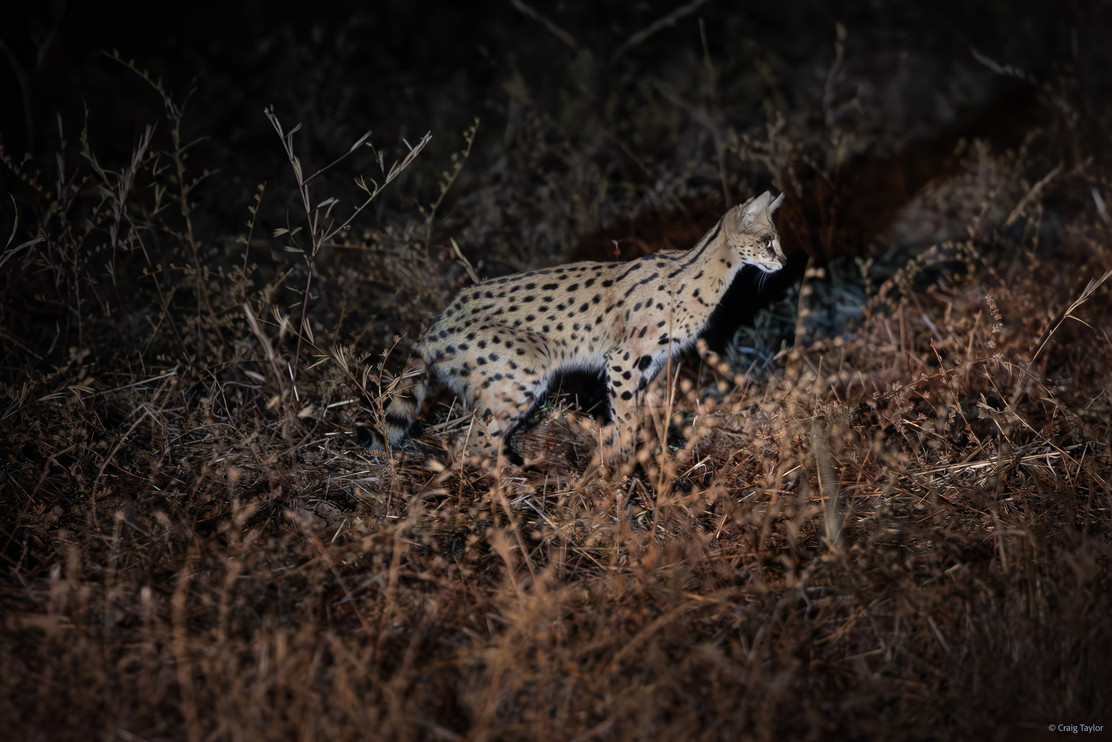
A serval hunts at night
A serval hunts at night in Kafue National Park, Zambia. © Craig Taylor 
 

Panthera’s Work to Protect Servals and Their Habitat 

Panthera addresses the threats facing wild cats through systemic, on-the-ground conservation. Our Small Cats program works to protect servals and other small wild cat species across their ranges, prioritizing landscape-level protections that reduce the broader pressures driving population decline. 

In Colombia, Panthera’s Counter Wildlife Crime team collaborated with the Colombian Wildlife Authority to create a guide for wild cat surrenders. This is just one example of how we’re working with partners from governments and civil society to better understand the nature, scale and impact of the trafficking of wild cats. From pets to parts and derivatives, wild cat trafficking has many forms. We help build capacity for our partners to facilitate targeted interventions against priority threats. 

Our Furs for Life project reduces the demand for the illicit and unsustainable trade in wild cat skins for ceremonial use by culturo-religious groups in southern Africa. As an example, through the Furs for Life Zambia initiative (formerly known as Saving Spots), Panthera partners with the Barotse Royal Establishment of the Lozi People in Zambia to replace authentic furs, including leopard, serval and lion mane, used in traditional ceremonies with high quality, synthetic alternatives. More recently, Furs for Life has partnered with the Ngoni People of eastern Zambia to reduce the demand on leopard and serval used by followers during traditional dances. 

How You Can Help Keep Wild Cats Wild 

Demand drives this trade, and reducing it starts with awareness — understanding which animals are wild, why "captive-bred" isn't a green light and how consumer choices connect to consequences thousands of miles away. Sharing credible information in your networks helps protect servals and other species that are targeted for the exotic pet trade. 

You can also support Panthera’s work to keep wild cats wild. Your gift funds the research, partnerships and on-the-ground programs that keep all wild cats where they belong.