


Room to Roam: Why Corridors Matter for Wild Cats

By Panthera

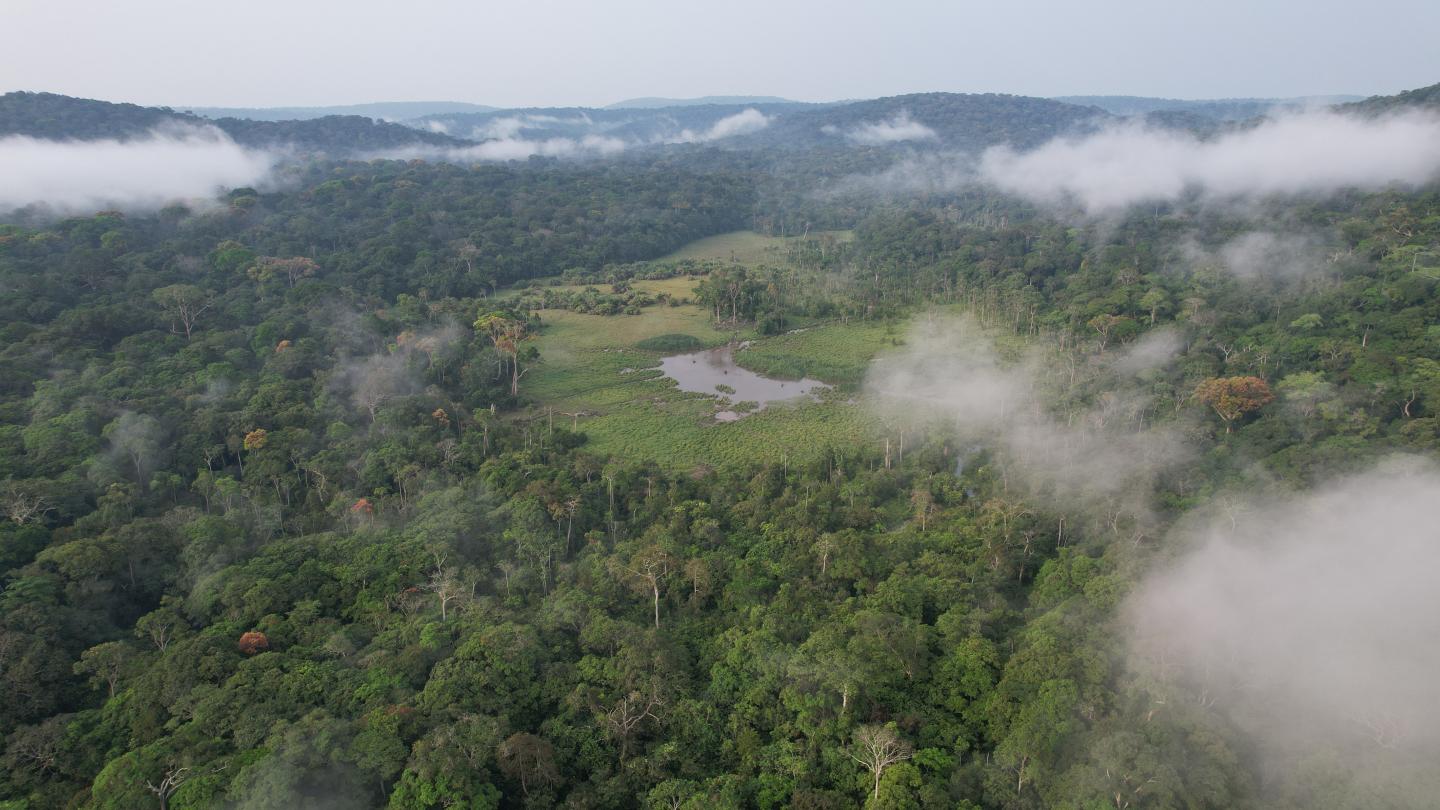
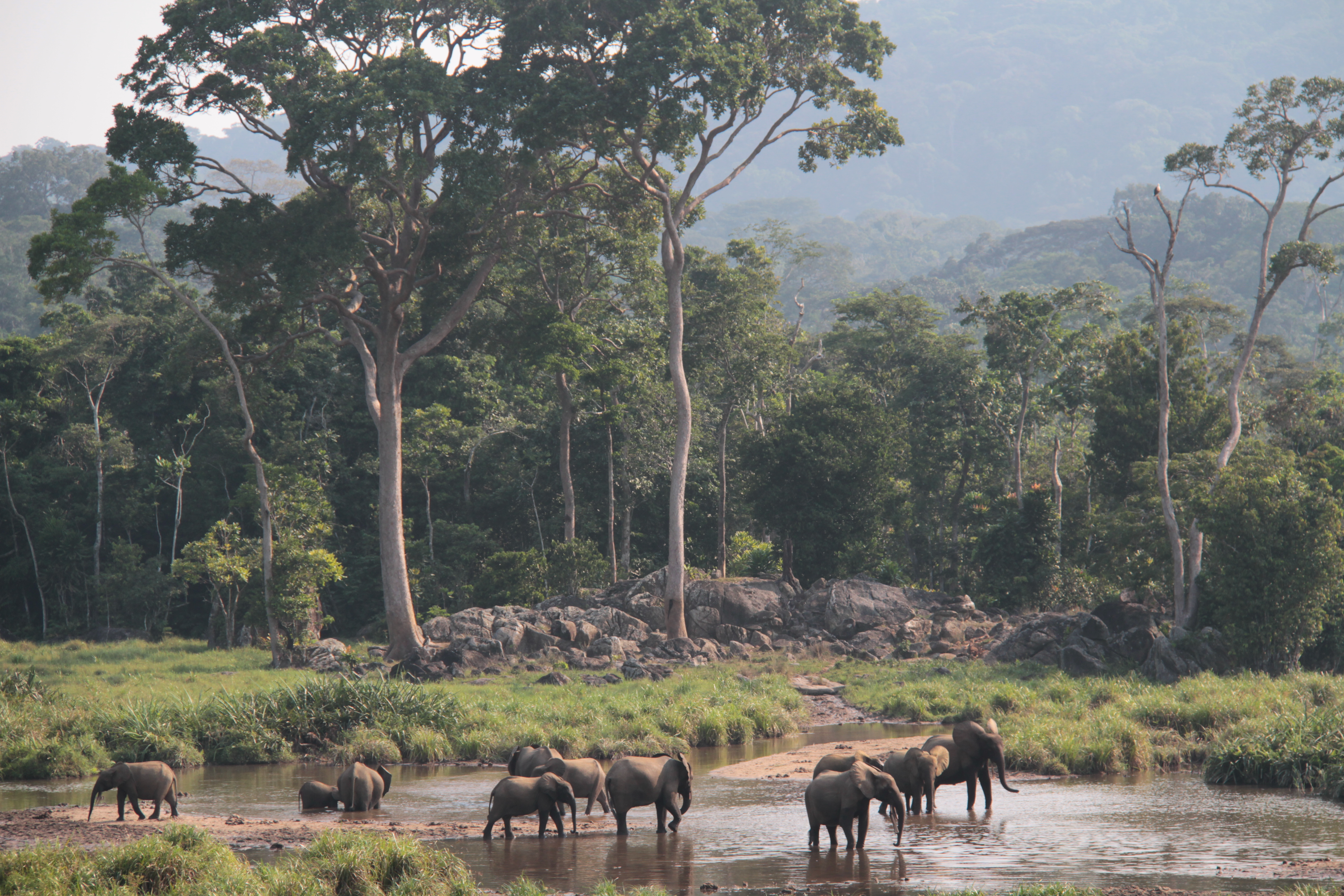
Tropical forest landscape of Gabon
© Anne-Hélène Paradis

A jaguar doesn't know where Brazil ends and Bolivia begins. A tiger pushing south through Thailand's forests doesn't stop at a park boundary. Wild cats need room to roam so they can hunt, find mates, raise young and maintain the genetic diversity that keeps populations healthy over generations. When that movement is blocked, populations shrink, weaken and eventually disappear. This idea is sometimes called connectivity.

Wildlife corridors are the stretches of habitat that connect protected areas and other wildlife habitat and allow animals to move safely between them. They are the paths wild cats travel, and without them, even a thriving population inside a national park can become isolated and quietly collapse over time.

Read on to learn how protecting wildlife corridors is one of the most powerful ways Panthera works to secure a future for wild cats across the globe.

The Americas: Protecting the Jaguar's Road Home

Jaguars once roamed from the American Southwest to Argentina. Today their range has been cut roughly in half, and the populations that remain depend on connected habitat to survive.

Panthera's Jaguar Corridor Initiative works to protect and connect core jaguar populations from Mexico through Argentina, ensuring jaguars can move, breed and recover across their range. The Jaguar 2030 Roadmap and the recently adopted Jaguar Regional Action Plan set shared goals across all 19 jaguar range countries.

The vision: By 2050, a network of well-conserved and connected jaguar populations coexisting sustainably with human communities across native natural jaguar habitat throughout the species' historic range is maintained, thus contributing to the achievement of global goals on biodiversity, climate, health and sustainable development.

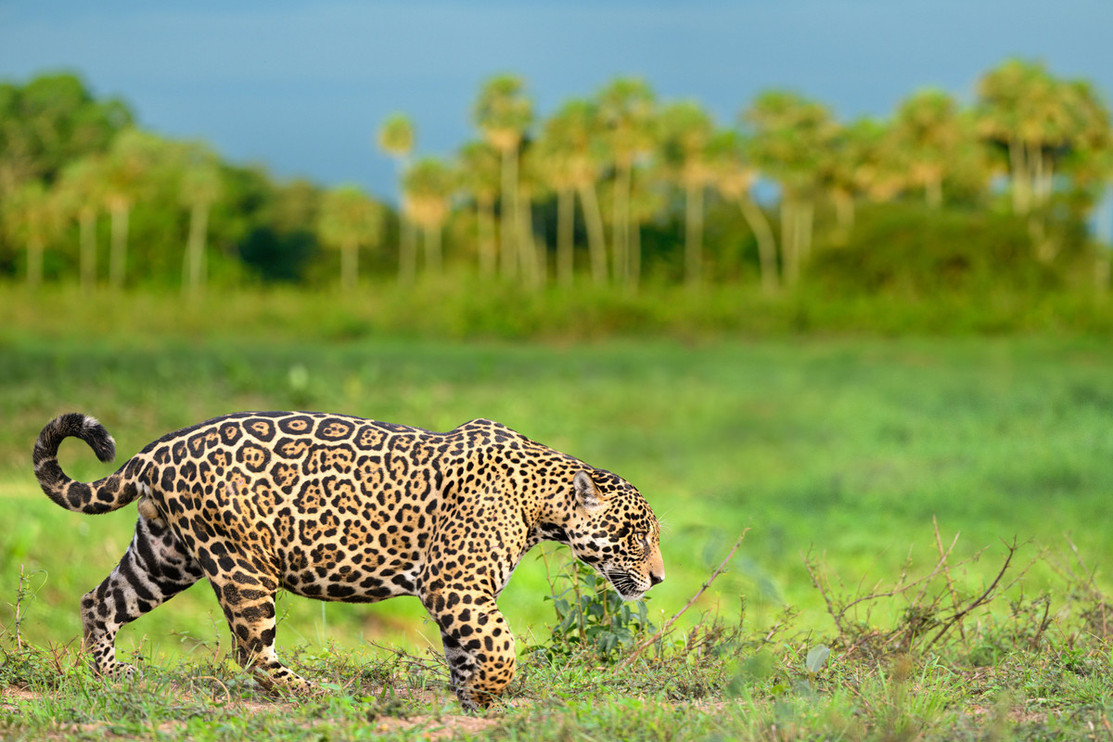
A male jaguar in Southern Pantanal, Brazil
A male jaguar in Southern Pantanal, Brazil. © Nick Garbutt

In the Pantanal — the world's largest tropical wetland, spanning Brazil, Bolivia and Paraguay — individual jaguars likely cross national borders daily. Panthera monitors jaguar populations in Jofre, at our research station in the northern Pantanal. Our team is now working in the Pantanal-Amazon Corridor — a key corridor that connects two of the largest core populations in jaguar range.

In the mountain forests of Honduras and Guatemala, the stakes are starker. Jaguar populations here are small and isolated, and movement between them is essential. For a decade, with support from several organizations, FUNDAECO and the Honduras and Guatemala governments, Panthera has protected the Sierra del Merendón range — a critical jaguar corridor — through anti-poaching patrols, prey reintroduction and acoustic monitoring.

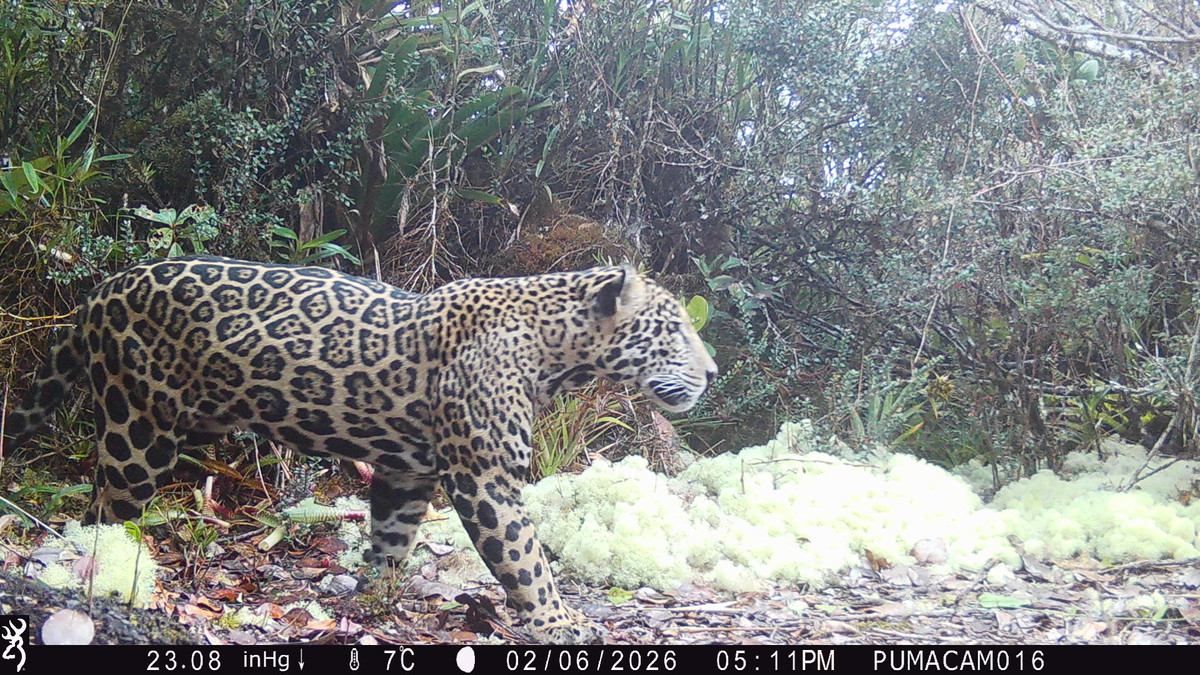
The cloud jaguar photographed in Honduras in early 2026.
The cloud jaguar photographed in Honduras in early 2026. © Panthera

In February 2026, a remote camera captured a healthy adult male jaguar at the highest elevation ever recorded for the species in Honduras — the first detection in a decade.

Thailand: A Corridor Comes to Life

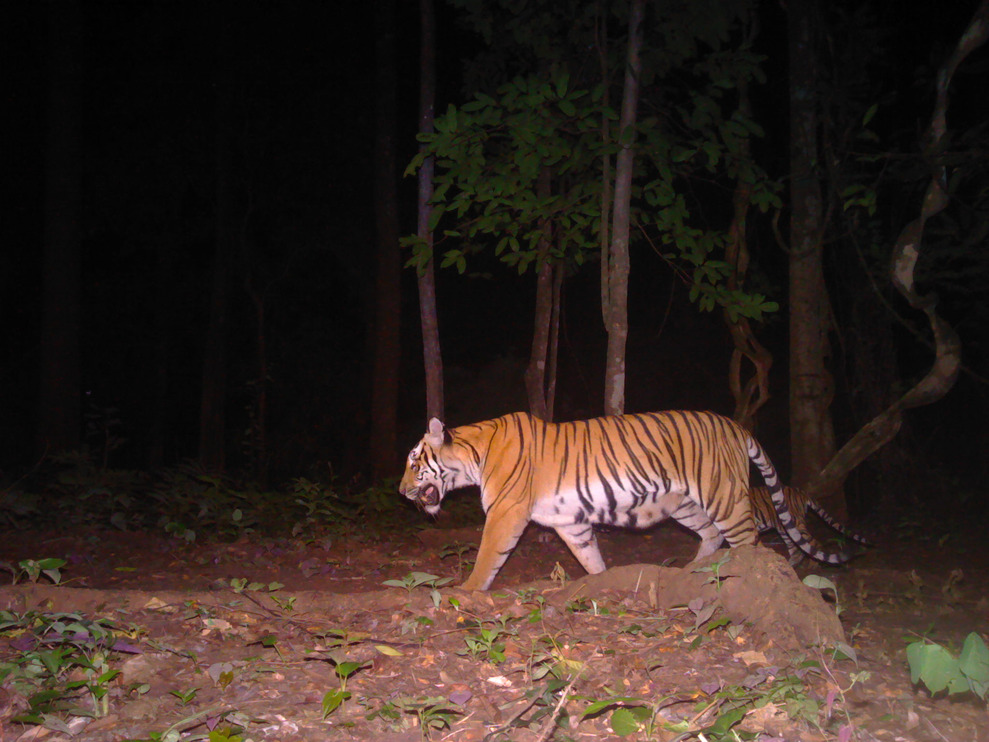
Thailand's Western Forest Complex is home to the largest remaining population of Indochinese tigers on Earth. Panthera works in its southern portion, known as sWEFCOM, where tigers are pushing south from a core population into territory that is steadily recovering.

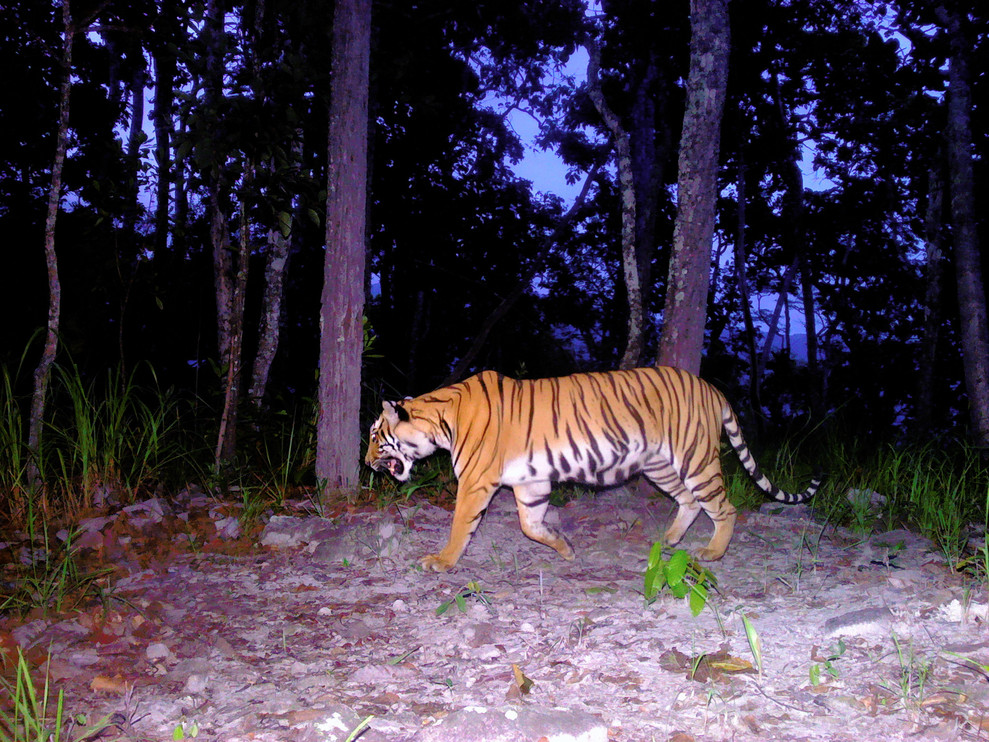
Remote camera photo of a female tiger in the sWEFCOM area.
Remote camera photo of a female tiger in the sWEFCOM area. © Panthera

Protecting where they were going — not just where they already were — was critical. Alongside Thailand's Department of National Parks, Wildlife and Plant Conservation and local Karen communities, Panthera helped establish the scientific case for protecting the Si Sawat Corridor, a critical but previously unprotected link tigers are using to move across the landscape. In 2023, it was formally protected as the 350-square-kilometer Si Sawat Non-Hunting Area, with an additional 140-square-kilometer extension currently underway. A second protected area, Bo Phloi Non-Hunting Area, is also in progress. 

Securing a corridor isn't just about the wildlife — it's about the people who live alongside it. In the Si Sawat Non-Hunting Area, Panthera has been working directly with local communities to understand where tigers and people come into contact, identify potential conflict hotspots and build the trust that makes long-term protection possible.  

That same evidence-based approach is now opening doors at the highest levels: Panthera presented survey results and the Si Sawat success story to the 9th Infantry Division of the Royal Thai Army, making the case for protecting the Bo Phloi Non-Hunting Area — the next critical link in the corridor chain. 

The results are promising. In sWEFCOM, remote camera records grew from 19 individual tigers over the first eight years of monitoring to 56 by year 11. Tiger density more than quintupled between 2016 and 2022. Breeding has been confirmed. Panthera is now working to establish sWEFCOM as a future source site — a population healthy and connected enough to replenish tigers across the wider landscape.

The first tiger captured on camera in Thailand's Sisawat Non-Hunting Area
The first tiger captured on camera in Thailand's Sisawat Non-Hunting Area. © Panthera

Gabon: Building a Wildlife Highway Through the Forest

In northeastern Gabon, leopards, African golden cats and forest elephants move through one of the most intact tropical forest systems on Earth. Since 2015, Panthera has mapped wildlife presence across more than 21,500 square kilometers of Gabon, documenting seven ecological corridors that connect nine protected areas and revealing how much wild cat habitat exists beyond park boundaries, unprotected and at risk.

Elephants move through the tropical forests of Gabon
Elephants move through the tropical forests of Gabon. © Christopher Orbell/Panthera

The first priority site is Momba, a 373-square-kilometer area of intact forest including multiple highly attractive forest clearings called baïs, sitting between Ivindo and Mwagna National Parks. Leopards and African golden cats were detected at more than 70% of remote camera survey stations. Elephant movement data confirmed the site is already functioning as a corridor with Ivindo.

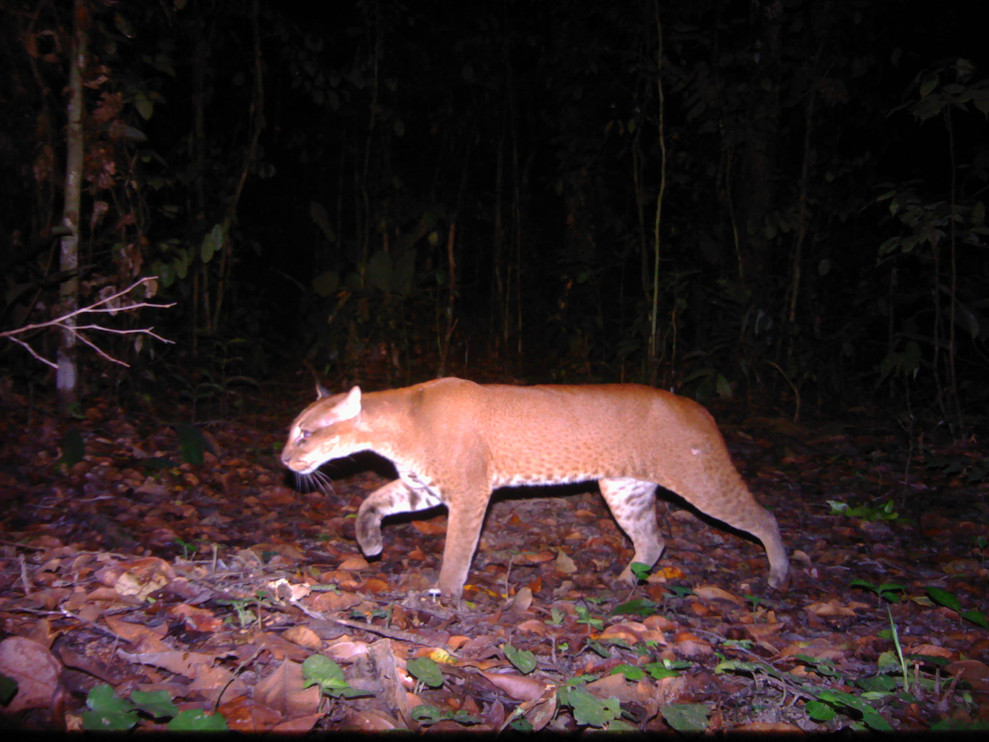
African golden cat in Gabon
An African golden cat in Gabon. © ANPN/DGFAP/Panthera

The goal is to make it permanent: a formally protected stepping stone, linked to both national parks by two designated wildlife corridors, gazetted by 2027 in partnership with Gabon's government.

"Momba Baï is the missing piece in this incredible landscape's ecological network," says Christopher Orbell, Panthera's Gabon Protected Area and Corridor Creation Coordinator. "Our surveys in the area highlighted the importance of this site and its potential to connect the two national parks. Our job now is to work with communities and government to make sure the protection catches up with the reality on the ground, for leopards, African golden cats and every species that depends on this corridor to thrive."

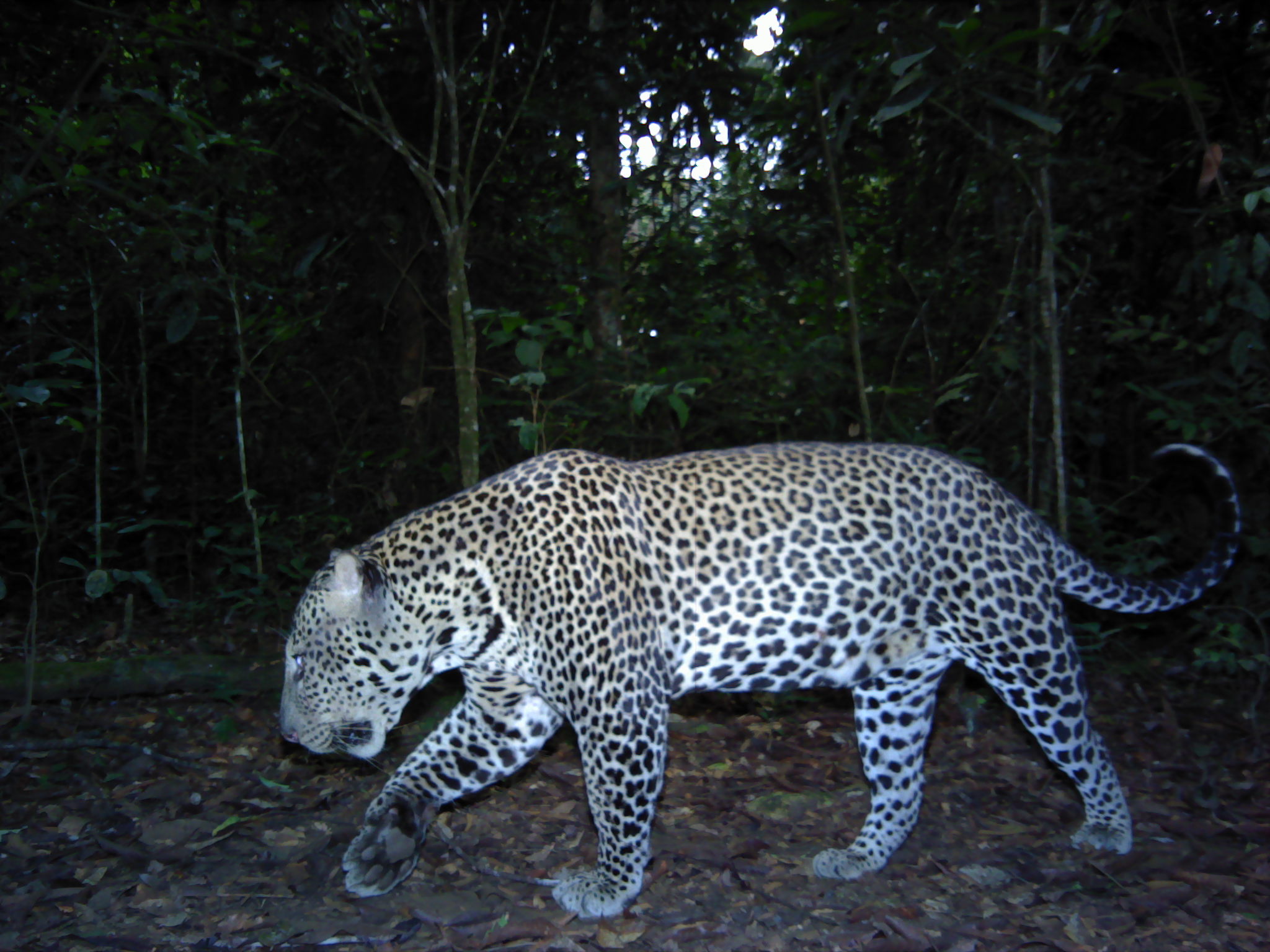
A leopard photographed by a remote camera in Momba
A leopard photographed by a remote camera in Momba. © Panthera

Protect the Path, Save the Cat

From the Pantanal to the forests of Gabon, the science shows that connected habitats give wild cats a future. Corridors protect genetic diversity, support population recovery and help species adapt as climates shift. Without them, even the best-protected core populations are living on borrowed time.

The corridors exist. The cats are using them. Help us keep them open — learn more about Panthera's work to protect jaguars, tigers and leopards, and make a gift today to preserve the landscapes wild cats need to survive.